
Posted by I4C on 13th Aug 2026
A Complete Guide to Vinegar: Types, Differences & How to Use Them
Vinegar rarely gets top billing in a recipe. Often, it's the tablespoon buried halfway down the ingredients list, or the final splash added to a pan just before dinner reaches the table.
And yet, it's often the thing that makes everything else taste better.
A little acidity can cut through a rich sauce, wake up a bowl of lentils, balance something that's become a touch too sweet or turn peak-season tomatoes into the sort of salad you want to mop up with bread. Then there are pickles, chutneys, marinades, dressings and dipping sauces, where vinegar gets to take a more obvious starring role.
The interesting bit is that vinegar isn't one flavour.
Balsamic can be dark, fruity and almost syrupy. Sherry vinegar brings wonderful nutty complexity. Rice vinegar is much gentler. Malt vinegar is unmistakably malty and punchy. Apple cider vinegar carries some of the fruitiness of the apples it started with.
Knowing which bottle to reach for can make a surprisingly big difference to your cooking.
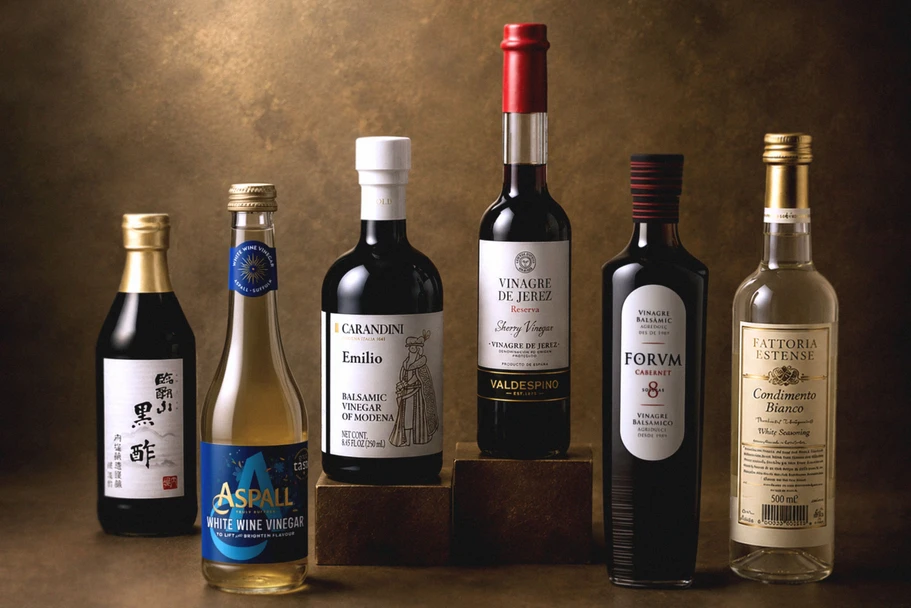
At Infusions4chefs, we're surrounded by vinegars from Britain, Italy, Spain, France, Japan and beyond, so we've put together a guide to some of the most useful varieties, how they differ and, most importantly, what to do with them.
First Things First: What Actually Is Vinegar?
At its simplest, vinegar is the result of fermentation
Sugars are converted into alcohol, then bacteria get involved and turn that alcohol into acetic acid – the source of vinegar's characteristic tang.
What's much more interesting from a cook's point of view is what it was made from in the first place.
Start with apples and you'll get the fruity character of cider vinegar. Begin with wine and some of the grapes' character carries through. Rice produces something softer and more delicate, while malted barley gives us the unmistakable flavour of malt vinegar.
Ageing, filtration and the way the vinegar is produced add even more variation.
So while they all bring acidity to food, swapping one vinegar for another can change a dish far more than you might expect.
Vinegar Cheat Sheet
Need an answer before dinner burns? Start here.
|
Vinegar |
What it's like |
Where we'd use it |
|
Balsamic |
Rich, fruity and sweet-sharp |
Tomatoes, cheese, roasted vegetables, fruit |
|
Apple cider |
Fresh, fruity and tangy |
Slaws, pork, marinades, pickles |
|
Red wine |
Robust and fruity |
Dressings, tomatoes, meat, marinades |
|
White wine |
Crisp and clean |
Fish, chicken, sauces, salads |
|
Sherry |
Nutty, rounded and complex |
Tomatoes, beans, meat, roasted vegetables |
|
Rice |
Mild and subtly sweet |
Asian salads, pickles, dipping sauces |
|
Malt |
Punchy and unmistakably malty |
Chips, pickles, chutneys |
|
Black |
Deep, mellow and savoury |
Dumplings, noodles, braises |
|
Champagne |
Delicate and bright |
Seafood, herbs, lighter salads |
Balsamic Vinegar: Not Just for Caprese
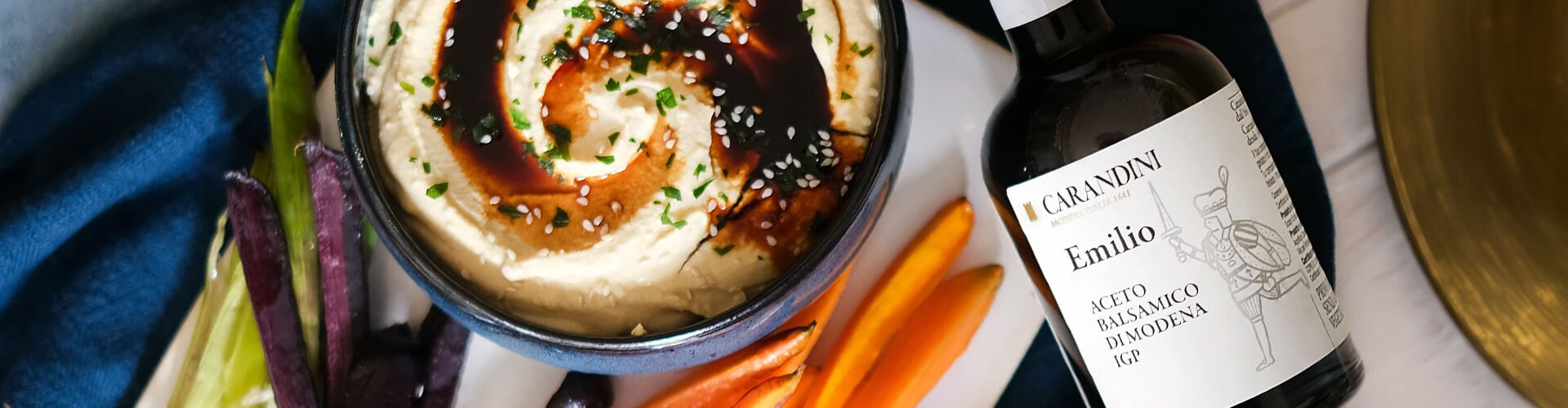
Tomatoes, mozzarella, basil, balsamic. There's a reason that combination has stuck around.
A good balsamic brings acidity, but it also brings sweetness and fruitiness, which makes it very different from a straightforward wine vinegar.
Its home is in Italy, most famously Modena and Reggio Emilia, and you'll find an enormous range of styles. Production methods, ingredients and ageing all influence what's inside the bottle, so balsamic can range from relatively light and lively to intensely dark, complex and luxurious.
That complexity makes it particularly good with ingredients that already have some natural sweetness.
Think roasted peppers, squash, aubergines, figs, peaches and strawberries. A little over Parmesan is excellent. So is a splash with a good extra virgin olive oil and plenty of bread.
And if you've never put a few drops of good balsamic over vanilla ice cream, consider this your excuse.
 |
 |
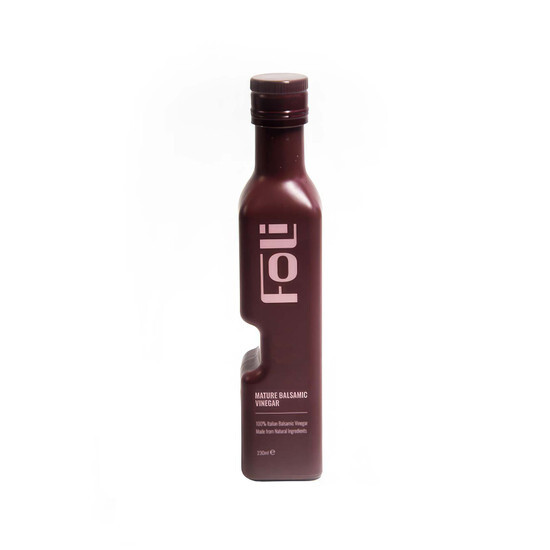 |
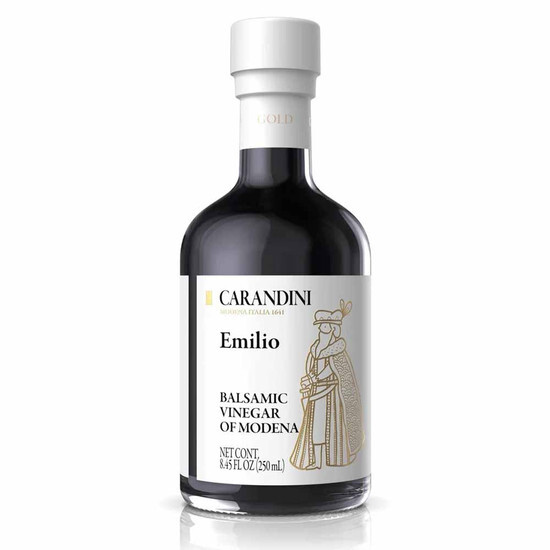
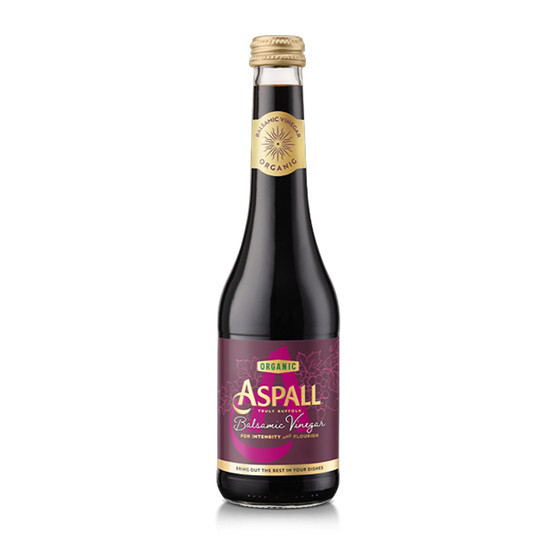
| Carandini Balsamic Vinegar Gold 250ml | Aspall Organic Balsamic Vinegar 350ml | FOLI Premium Mature Balsamic Vinegar 230ml |
Balsamic Vinegar vs Balsamic Glaze
Balsamic vinegar and balsamic glaze aren't the same thing.
Balsamic vinegar is the more fluid ingredient you'd reach for when making dressings, marinades and sauces, as well as for finishing food.
Balsamic glaze is thicker, sweeter and syrupy. It's designed to cling to food, which makes it great for drizzling over burrata, pizza, roasted vegetables, fruit and finished plates.
At i4C you'll find both, including balsamic vinegars alongside Mazzetti Classic Balsamic Glaze and Puro Balsamic Glaze.
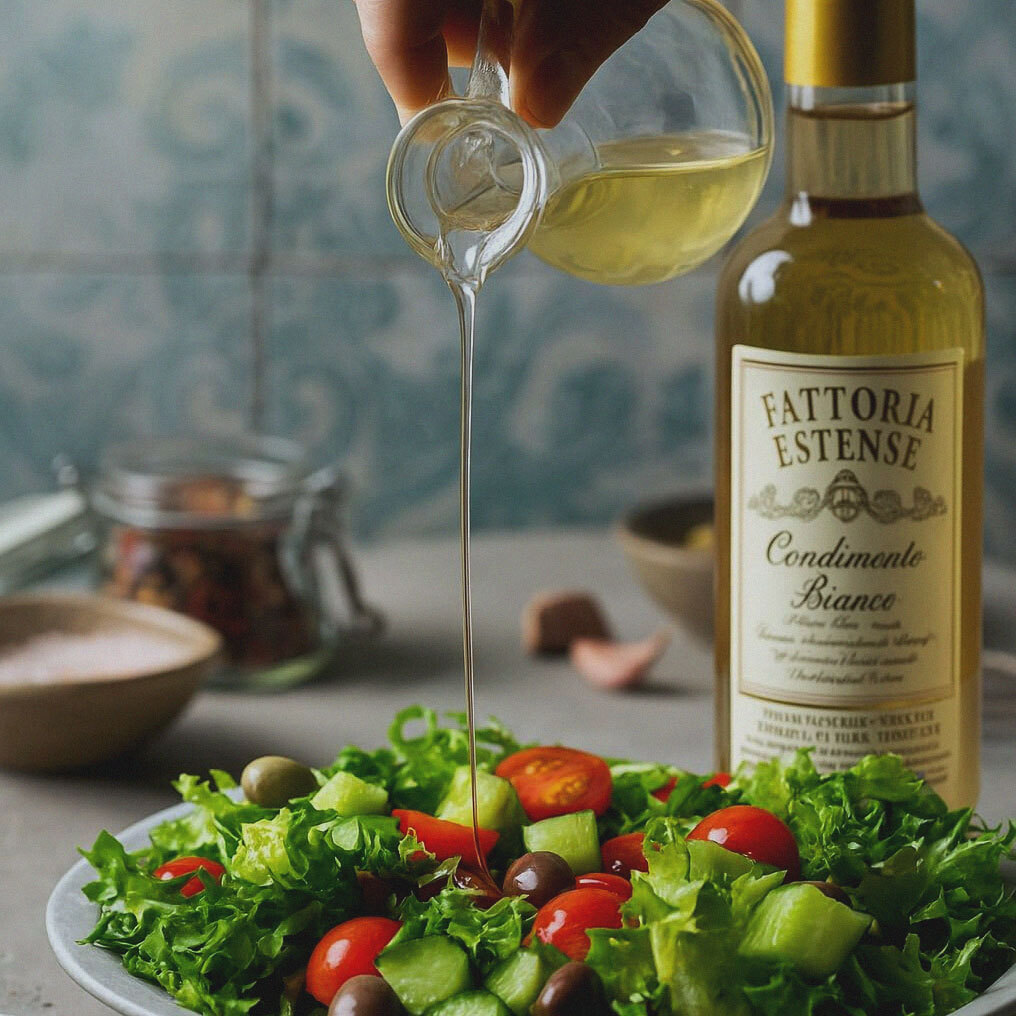 |
And What About White Balsamic?White balsamic is worth knowing about. It offers some of the sweet, fruity character you'd associate with balsamic but with a lighter colour and typically more delicate flavour. That makes it particularly handy when you want balsamic-style sweetness without turning a beautifully pale plate of food brown. Think seafood, summer vegetables, fruit, mozzarella and lighter salads. |
Apple Cider Vinegar: The Great All-Rounder
If we had to choose one vinegar to keep permanently within reach, apple cider vinegar would be a serious contender.
Made from fermented apple cider, it's sharp enough to do the job vinegar needs to do but retains a lovely fruitiness that makes it incredibly easy to cook with.
It's brilliant in slaws and salad dressings. It loves pork. It works with mustard, honey and cabbage. It's useful for quick pickles, marinades, chutneys and sauces.
A simple combination of cider vinegar, Dijon mustard, honey and olive oil will get you out of a surprising number of salad-related emergencies.
What's the Difference Between Apple Cider Vinegar and Raw Apple Cider Vinegar?
Pick up a bottle of raw apple cider vinegar and you might notice that it isn't crystal clear.
That's intentional.
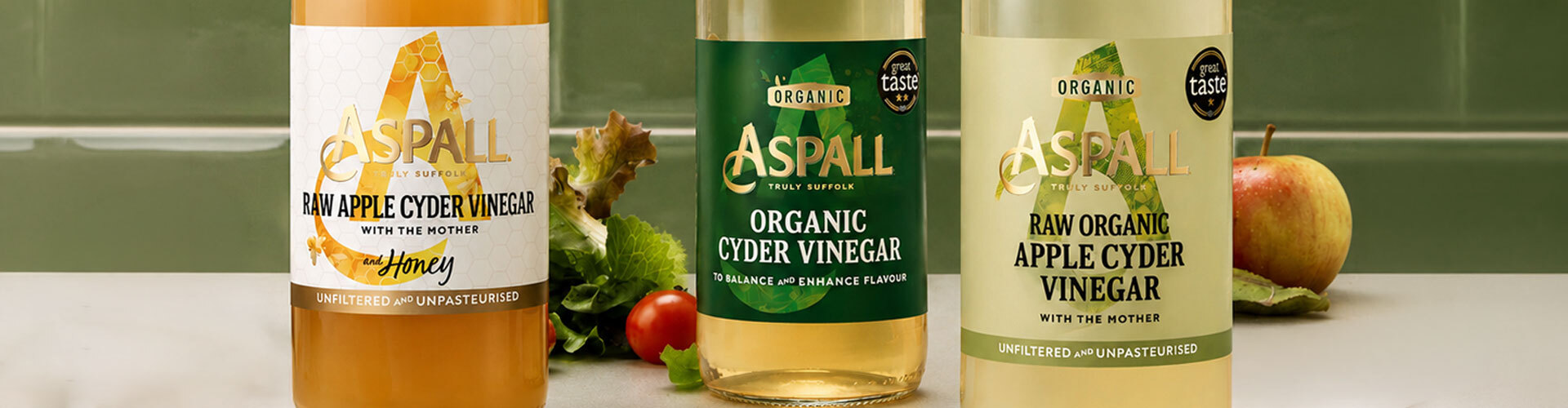
Raw apple cider vinegar is generally unfiltered and can contain naturally occurring sediment known as the 'mother'.
At i4C, for example, we stock Aspall Organic Apple Cyder Vinegar alongside Aspall Organic Raw Apple Cyder Vinegar, so you'll see both styles.
What Is the 'Mother'?
Despite the slightly mysterious name, the mother is simply material associated with the vinegar fermentation process, including cellulose and bacteria.
It can appear as cloudiness, strands or sediment in the bottle. In a raw vinegar, that's perfectly normal.
You'll also find variations such as Aspall Raw Apple Cyder Vinegar with Honey, where honey rounds out some of that characteristic acidity with gentle sweetness.
Red Wine Vinegar: Bring Out the Tomatoes
If balsamic is the rich one, red wine vinegar is its brighter, punchier cousin.
Made from red wine, it has a fruity acidity that stands up brilliantly to big Mediterranean flavours.
Tomatoes are an obvious place to start. Add red wine vinegar to chopped ripe tomatoes, extra virgin olive oil, salt and perhaps a little shallot, then leave everything alone for ten minutes. The juices that collect at the bottom of the bowl are almost reason enough to make the salad.
It's also excellent with lentils, beans, roasted peppers and grilled meats, and it's one of our favourite vinegars for homemade vinaigrettes.
Then there's chimichurri: herbs, garlic, chilli, oil and red wine vinegar alongside a freshly grilled steak. Hard to argue with.
 |
 |
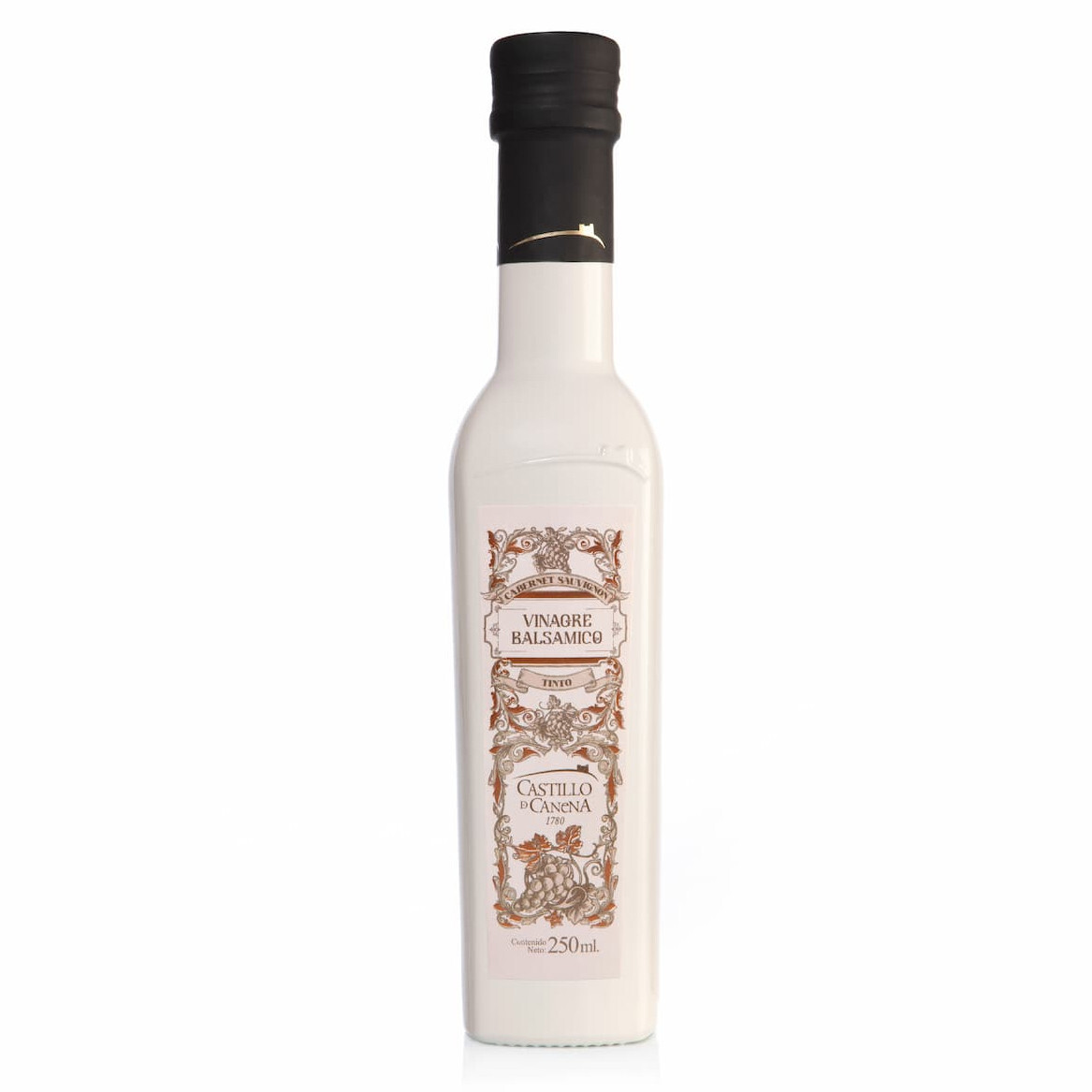 |
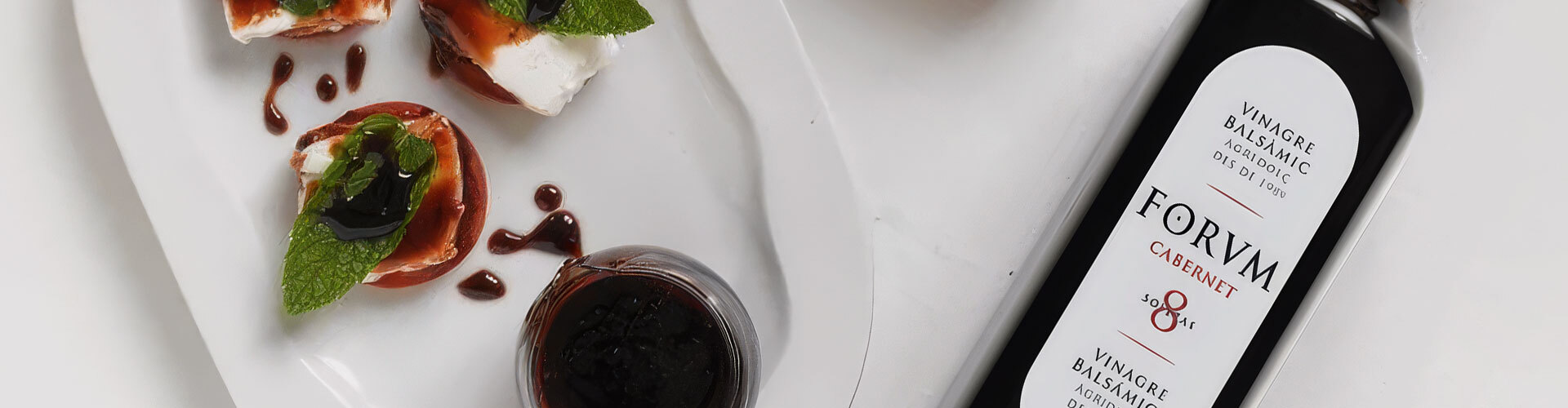
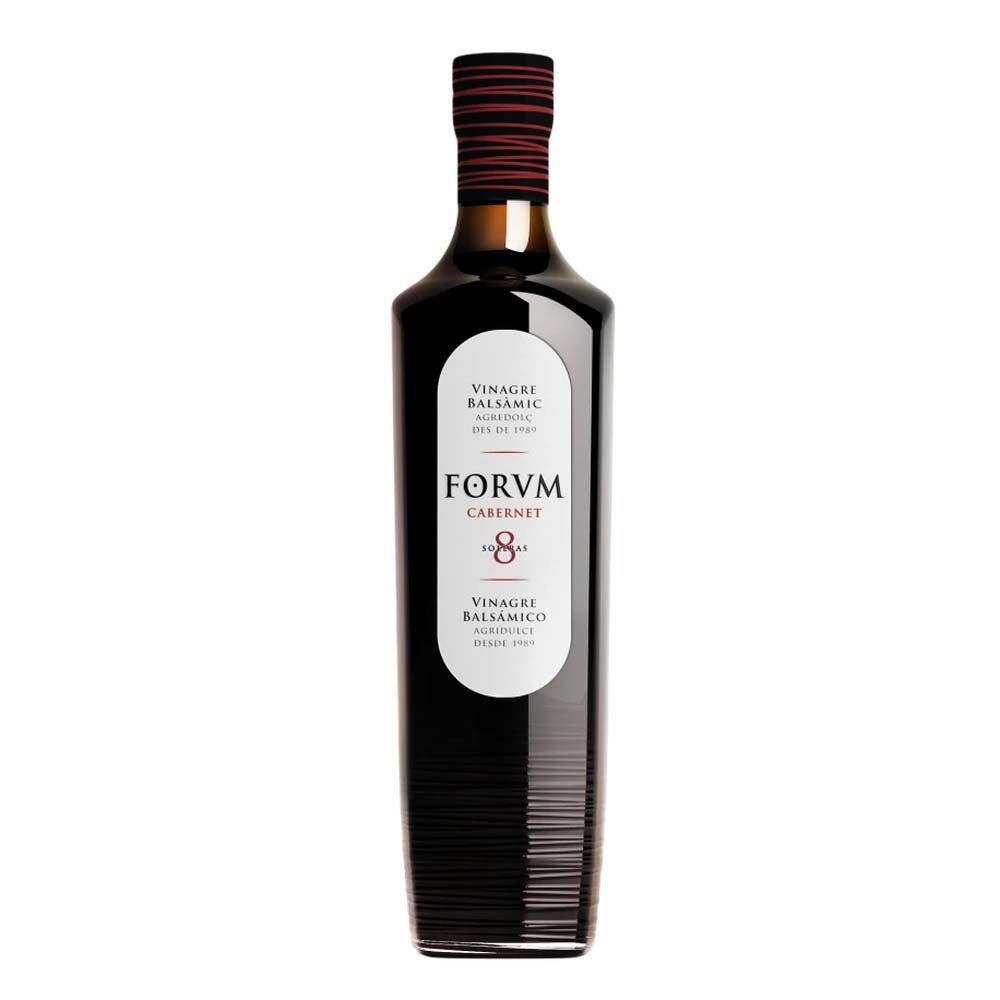
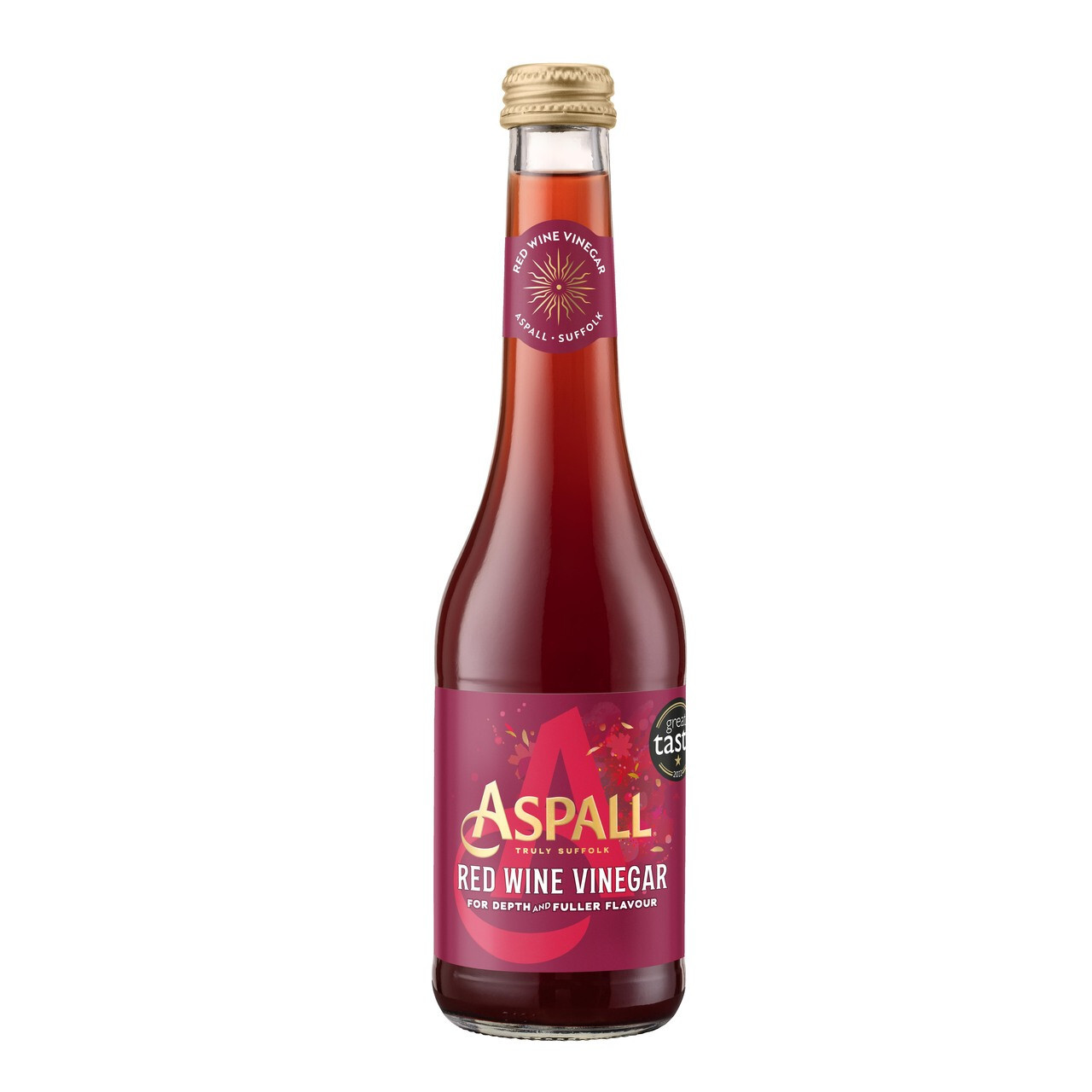
| Forvm Cabernet Sauvignon Vinegar 50cl | Aspall Organic Red Wine Vinegar 350ml | Castillo De Canena Cabernet Balsamic Vinegar 250ml |
White Wine Vinegar: The Lighter Alternative
White wine vinegar does much of the same work as red wine vinegar but in a quieter way.
It's crisp, clean and generally more delicate, which makes it particularly useful when you don't want the vinegar to become the dominant flavour.
Fish, chicken, cucumber, asparagus, herbs and green salads are all good places to use it.
It's also extremely handy for sauces. A splash in the pan can cut through butter and cream beautifully, bringing everything back into balance.
 |
 |
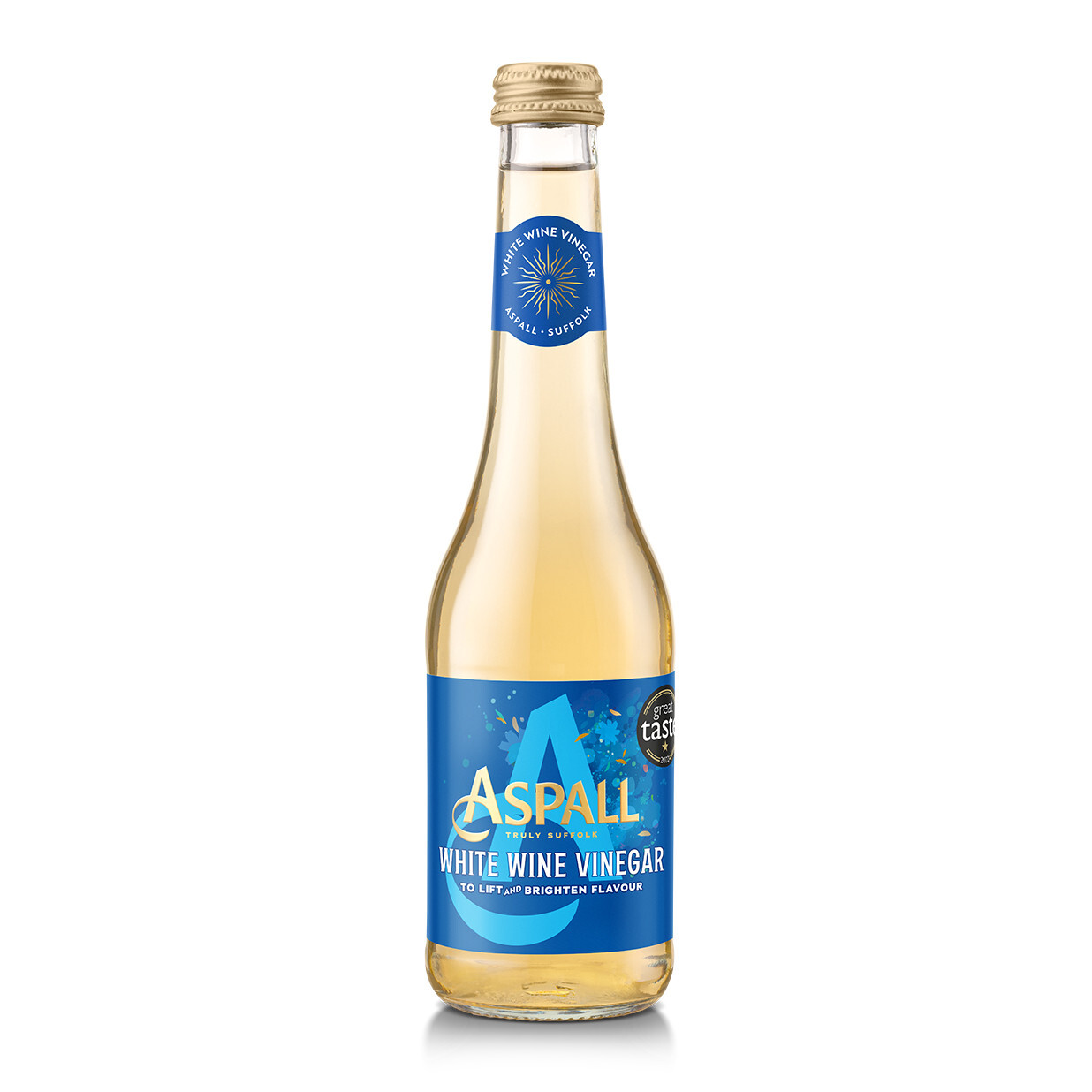 |
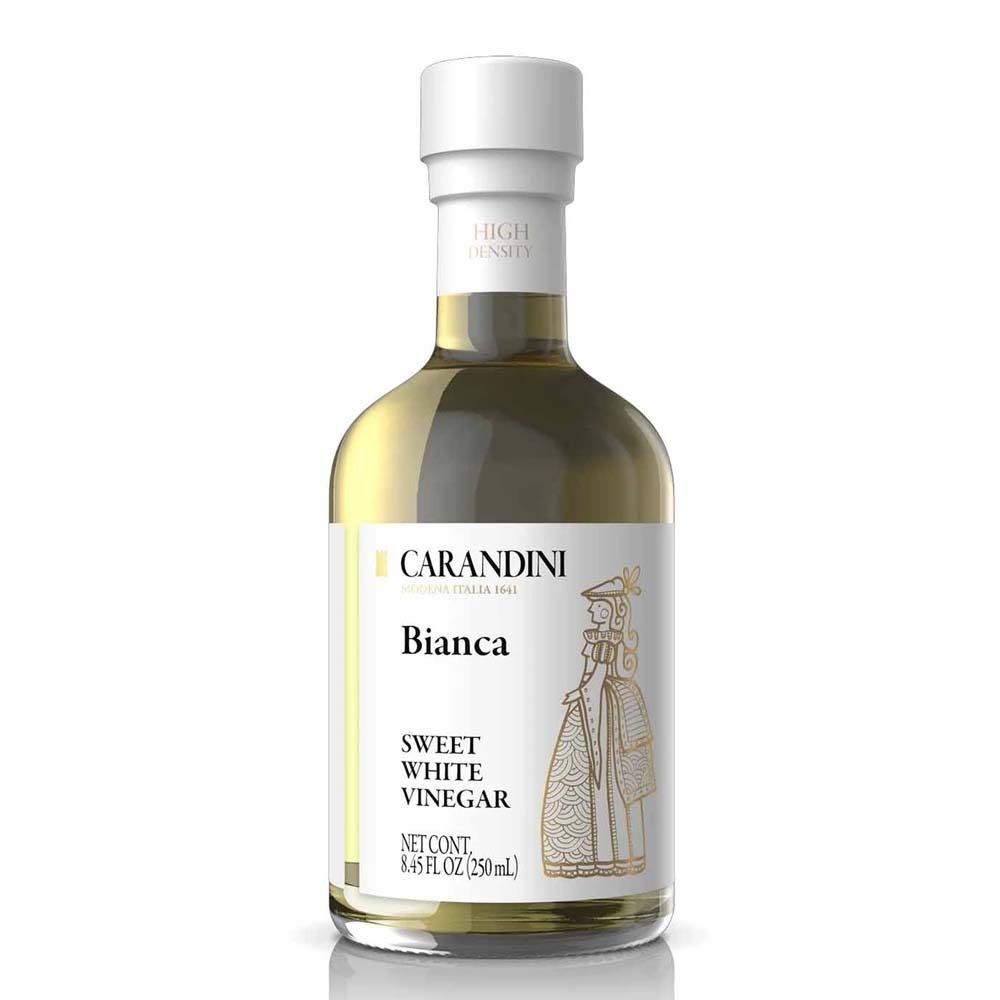
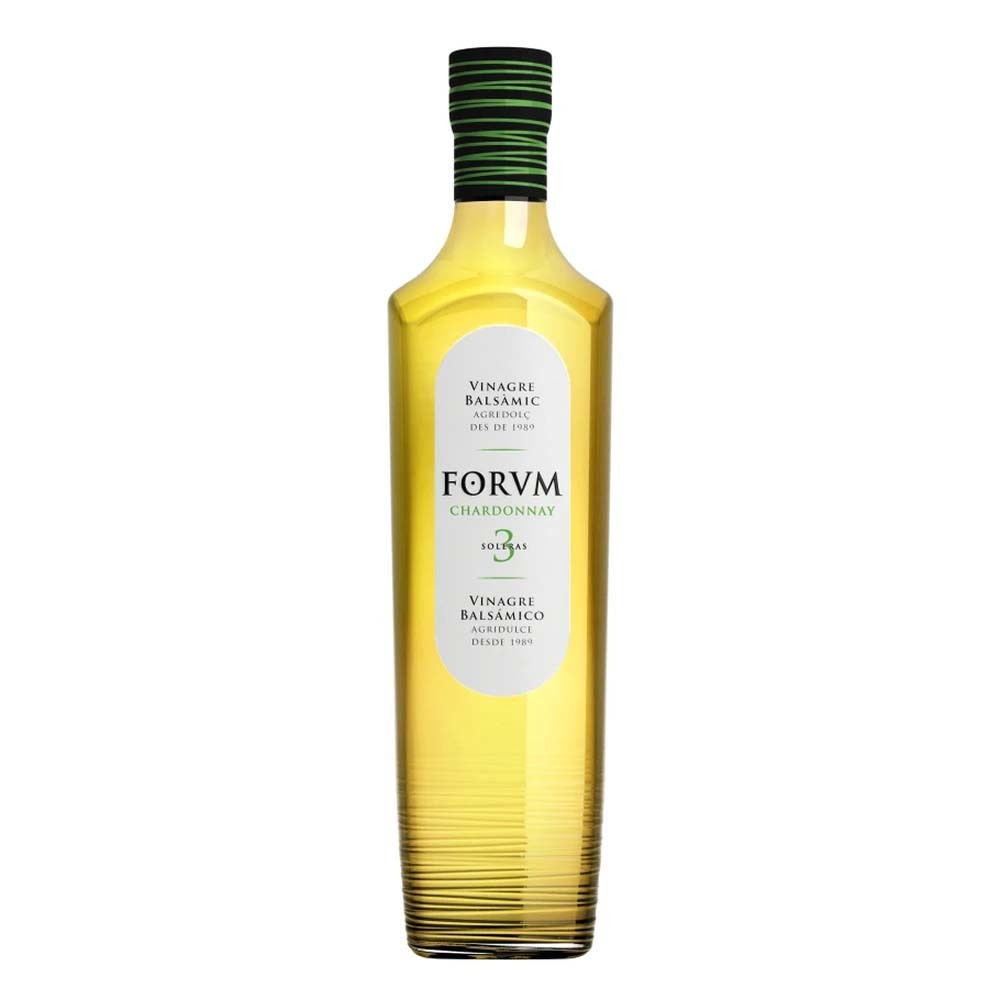
| Carandini White Wine Vinegar 250ml | Forvm Chardonnay Vinegar 50cl | Aspall Organic White Wine Vinegar 350ml |
Red Wine Vinegar vs White Wine Vinegar
Wondering which one to grab?
Think about the rest of the plate.
A chunky tomato, lentil and herb salad? We'd probably reach for red wine vinegar.
Delicate leaves, herbs, cucumber and seafood? White wine vinegar would be our first thought.
There are no vinegar police coming to check your salad, but matching the intensity of the vinegar to the intensity of the food is a useful rule of thumb.
Sherry Vinegar: The Bottle More People Should Own
Sherry vinegar doesn't always get the attention of balsamic, and we think that's a shame.
Made from sherry wines in Spain, it has a wonderfully rounded acidity with a nutty, savoury complexity that can make even a very simple dish feel much more considered.
If you've bought beautiful summer tomatoes, this is one of the bottles we'd reach for.
It's also fantastic with roasted peppers, beans, lentils, grilled meats and roasted vegetables. And naturally, it's right at home in Spanish dishes such as gazpacho.
One of our favourite tricks is adding a little sherry vinegar to roasted tomatoes while they're still warm. The tomatoes are intensely sweet from the oven, the vinegar cuts straight through that sweetness, and suddenly you have something much more interesting.
At i4C you'll find bottles including Valdespino Sherry Vinegar DOP Reserva and Centaur Jerez Sherry Vinegar Reserve.

Rice Vinegar: Softer, Gentler Acidity
If European wine vinegars sometimes feel too punchy for a dish, rice vinegar might be exactly what you need.
Made from fermented rice, it typically has a much softer acidity and gentle sweetness.
It's fantastic for quick-pickled cucumber, Asian-style slaws, noodle salads, dipping sauces and dressings.
For a ridiculously easy cucumber side, lightly crush or slice cucumber, then dress it with rice vinegar, a little soy, sesame oil and chilli. That's the sort of thing we could happily eat alongside almost anything.
At i4C, you'll find options including Mizkan Rice Vinegar and Yutaka Rice Vinegar.
Rice Vinegar vs Sushi Seasoning: What's the Difference?
This is a useful one to know because the bottles can easily be confused.
Plain rice vinegar gives you acidity.
Sushi seasoning is designed specifically for seasoning cooked sushi rice and commonly includes additional ingredients such as sugar and salt.
That's why we stock Mizkan Rice Vinegar and Mizkan Sushi Seasoning as two separate ingredients.
If your recipe specifically asks for rice vinegar, check the bottle before reaching for sushi seasoning. That extra sweetness and salt can make a real difference.
Black Vinegar: Deep, Dark and Savoury
This is where things get particularly interesting.
Black vinegars are used across East Asian cooking, with different varieties and traditions producing their own distinctive styles.
Compared with light rice vinegar, black vinegar is generally deeper, darker and more savoury, with a mellow acidity and flavours that can veer towards malty, smoky and slightly sweet.
If you've ever dipped a dumpling into a dark, tangy sauce and wondered why you couldn't stop going back for another, black vinegar may well have been involved.
Try it with dumplings, noodles, braised meats, cucumber and stir-fries.
Or keep things very simple: black vinegar, soy sauce, chilli oil and finely sliced ginger. Dumplings. Done.
You'll find Rinkosan Black Vinegar in the i4C range if you're ready to give it a go.

Malt Vinegar: You Already Know This One
Malt vinegar needs little introduction in Britain.
If you've ever unwrapped a parcel of hot chips and immediately reached for the bottle, you know exactly what it brings: sharp acidity and that unmistakable malty flavour.
And while chips might be its greatest achievement, they're certainly not its only use.
Malt vinegar is fantastic for pickled onions, chutneys and relishes, and crops up throughout traditional British cooking.
Its flavour is fairly assertive, though. If a delicate recipe asks for white wine or rice vinegar, replacing it with malt vinegar probably isn't the subtle substitution you're looking for.
But over hot, salty chips?
Don't change a thing.
 |
 |
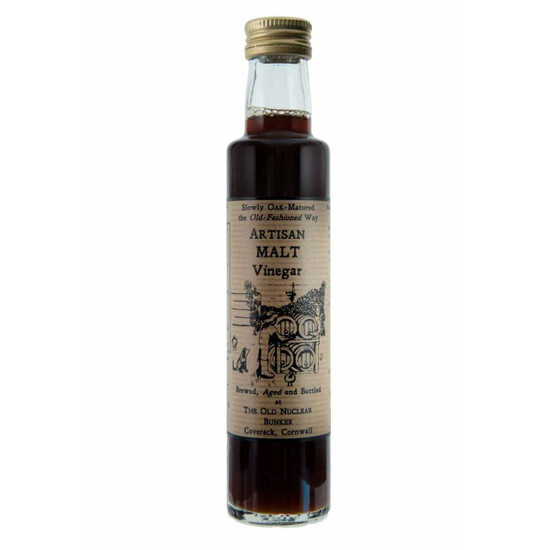 |
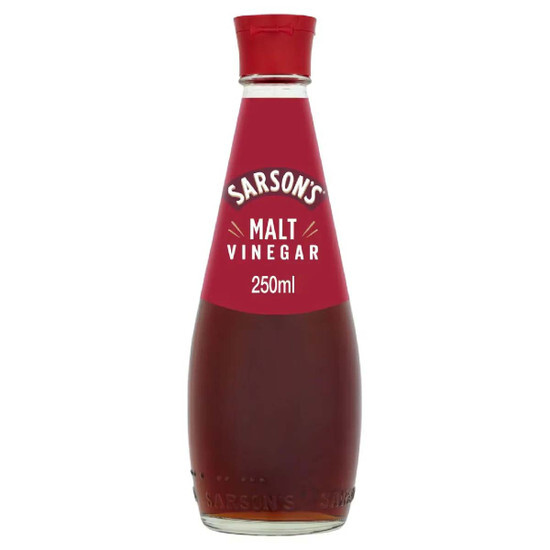
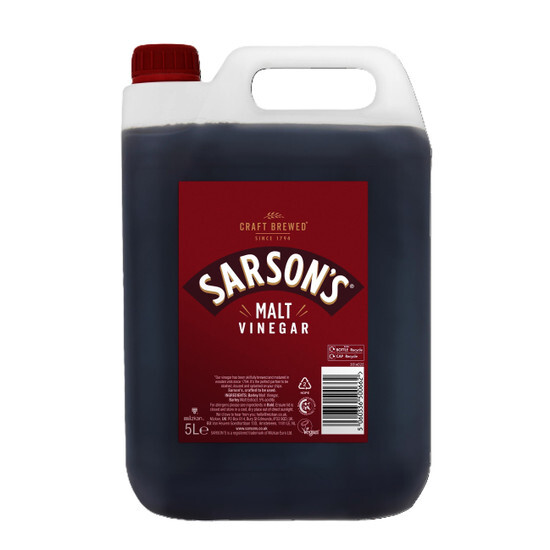
| Sarson's Malt Vinegar 250ml | Sarson’s Malt Vinegar 5L | Artisan Malt Vinegar 250ml |
Champagne Vinegar: When You Want Something Delicate
Not every dish needs a vinegar that announces its arrival.
Champagne vinegar is at the lighter, more elegant end of the spectrum, with a bright acidity that works beautifully when you're dealing with delicate ingredients.
Seafood, chicken, asparagus, soft herbs, summer leaves and fruit all make good partners.
It's also lovely in a simple vinaigrette where you actually want to taste the olive oil rather than bury it beneath a more assertive vinegar.
The Clovis Reims Champagne Vinegar in our range is a great bottle to explore if you tend to cook lighter dishes.
And it demonstrates an important point: the strongest vinegar isn't automatically the best vinegar.
Sometimes you want acidity to whisper rather than shout.
Then Things Get More Interesting...
Once you venture beyond the classics, there's an entire world of speciality vinegars to play with.
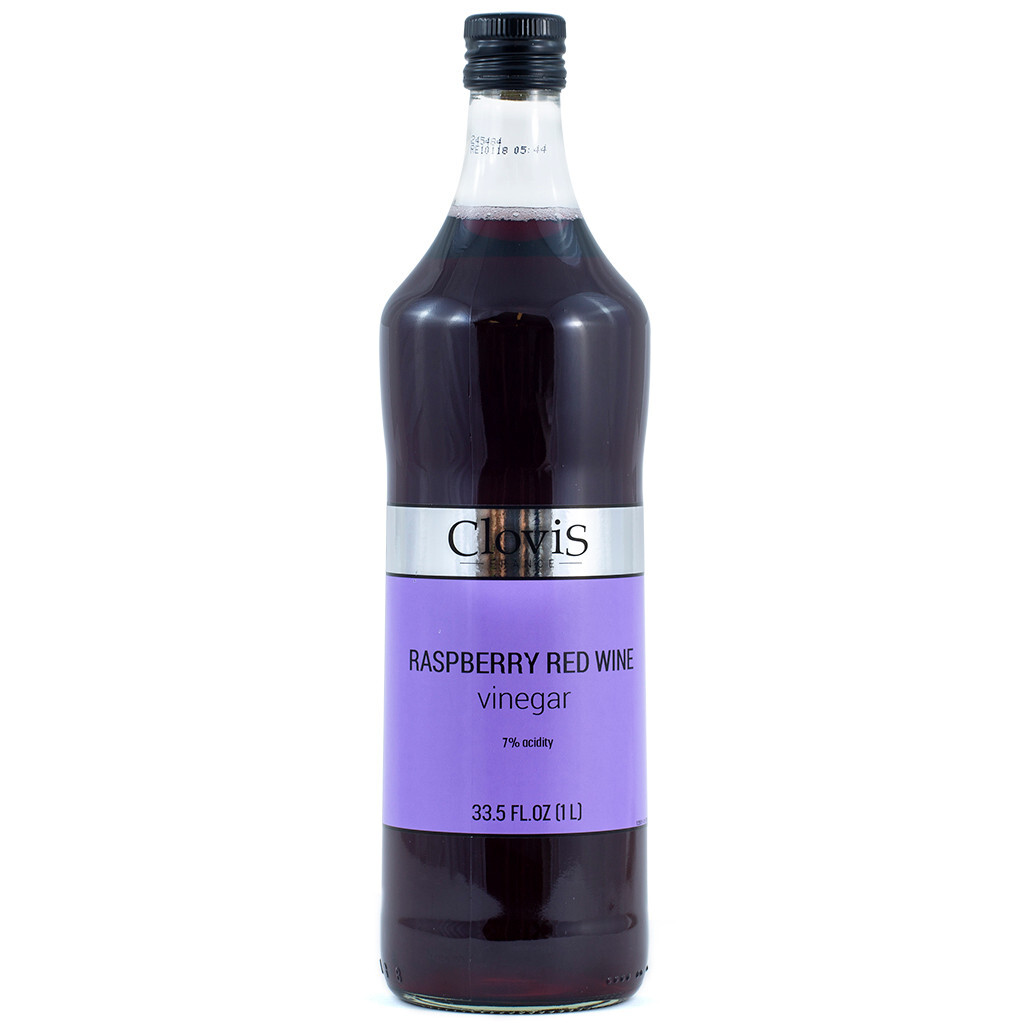
Raspberry vinegar brings sharp berry fruit to salads, cheese and even desserts. Tarragon vinegar gives you acidity and herbs in one hit and is particularly lovely with chicken and classic French-style sauces.
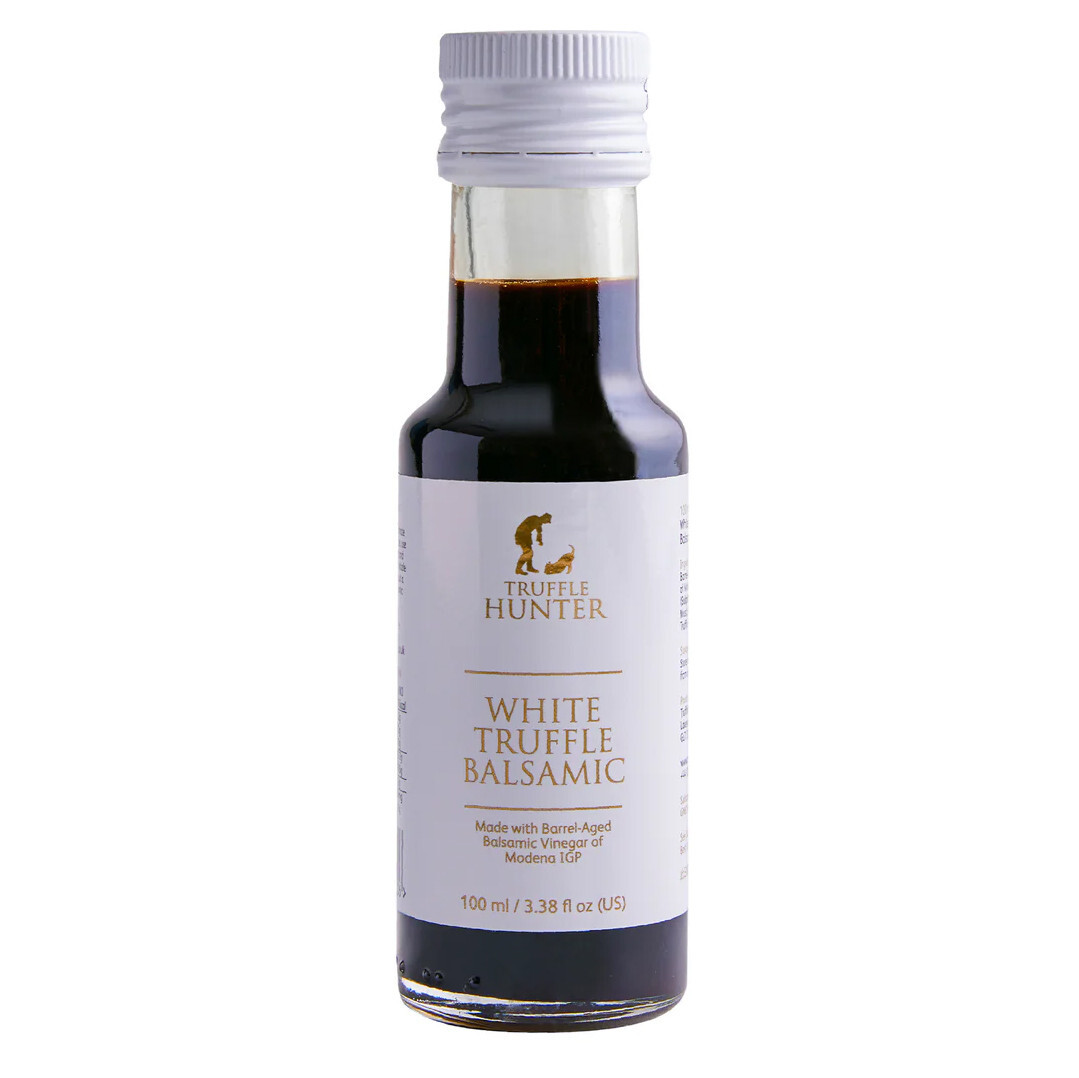
Then there are bottles such as Truffle Hunter White Truffle Balsamic Vinegar, which brings truffle into the equation, and Poon's London Chilli Vinegar Dressing, where vinegar meets chilli.
These aren't necessarily everyday substitutes for your bottle of white wine vinegar.
Treat them more like condiments in their own right and start thinking about the foods that will make those extra flavours shine.
 |
 |
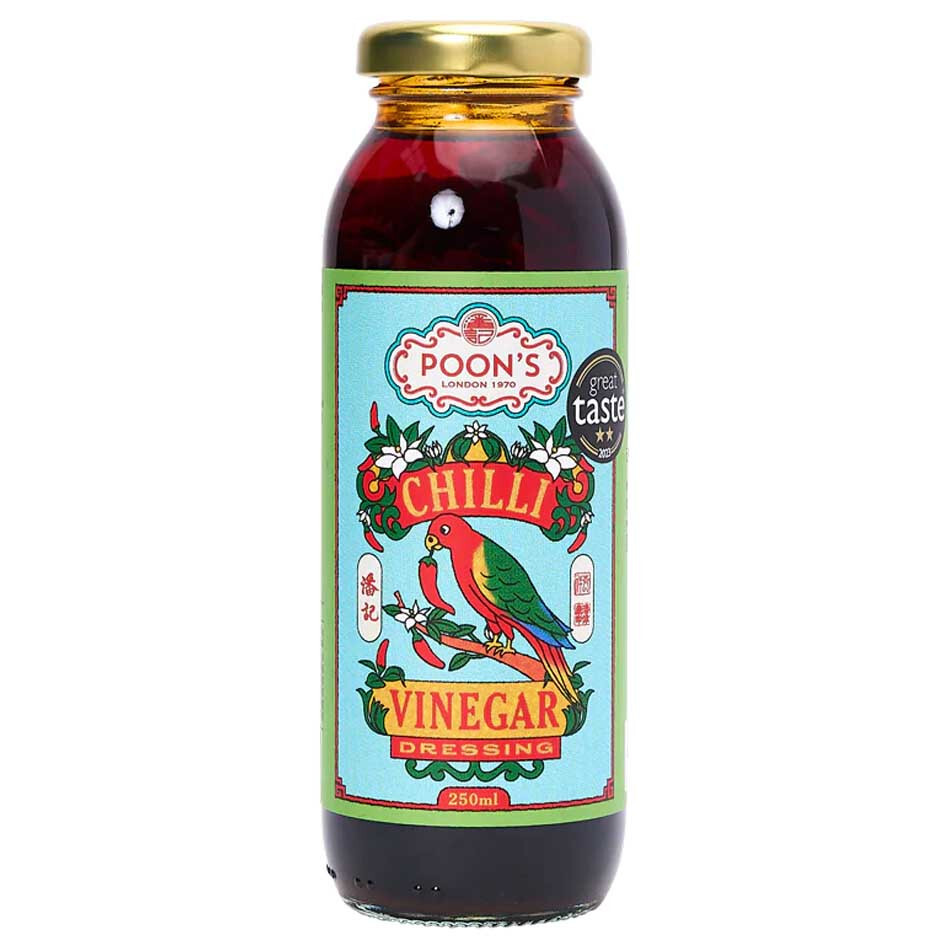 |
| Clovis Raspberry Red Wine Vinegar 1L | Truffle Hunter White Truffle Balsamic Vinegar 100ml | Poon’s London Chilli Vinegar Dressing 250ml |
So, Which Vinegar Should You Actually Use?
Knowing all the different varieties is great. Knowing which bottle to grab when dinner is halfway cooked is considerably more useful.
What's the Best Vinegar for Salad Dressing?
There isn't one, and that's what makes dressings interesting.
For a classic everyday vinaigrette, we'd start with red or white wine vinegar.
Want something richer? Balsamic.
Making an Asian-style cucumber or noodle salad? Rice vinegar.
Beautiful seafood and delicate leaves? Champagne vinegar.
Roasted peppers, tomatoes and beans? Give sherry vinegar a go.
The salad should decide the vinegar, not the other way around.
What's the Best Vinegar for Tomatoes?
Now we're asking the important questions.
Balsamic is brilliant with ripe tomatoes, mozzarella and basil.
Red wine vinegar makes a fantastic classic tomato salad.
Sherry vinegar is wonderful with roasted tomatoes, gazpacho and Spanish-style dishes.
Whichever you choose, don't forget good olive oil, flaky salt and some bread for everything left at the bottom of the plate.
What's the Best Vinegar for Fish?
Keep things relatively light.
White wine and Champagne vinegars are great starting points because they bring acidity without completely taking over.
Rice vinegar is another excellent option, particularly when you're heading towards Japanese or East Asian flavours.
What's the Best Vinegar for Pork?
Apple and pork have been friends for a very long time, so apple cider vinegar is an easy answer.
It's particularly good when mustard, honey or cabbage are involved.
For something richer, sherry vinegar can be fantastic too.
What's the Best Vinegar for Roasted Vegetables?
We love balsamic when sweetness is welcome and sherry vinegar with peppers, tomatoes and aubergines.
Cider vinegar is great with squash, cabbage and root vegetables.
Here's another tip: don't always add the vinegar before roasting.
Try splashing a little over your vegetables as soon as they come out of the oven. You'll keep more of the vinegar's fresh acidity and get a lovely contrast against all those caramelised edges.
Can I Swap One Vinegar for Another?
Usually, within reason.
If you've run out of red wine vinegar, white wine vinegar isn't going to ruin dinner. Likewise, a mild cider vinegar can often step in for white wine vinegar.
But think about flavour as well as acidity.
|
If you're missing... |
Try... |
|
Red wine vinegar |
White wine or sherry vinegar |
|
White wine vinegar |
Champagne or cider vinegar |
|
Apple cider vinegar |
White wine vinegar |
|
Sherry vinegar |
Red wine vinegar |
|
Rice vinegar |
A mild white wine or cider vinegar |
|
Champagne vinegar |
White wine vinegar |
Balsamic is trickier because the sweetness, dark colour and distinctive flavour can completely change a dish.
And there's one important exception to our relaxed approach: preserving.
When you're following a preserving recipe where acidity is important for food safety, don't casually swap vinegars or alter quantities. Stick to a tested recipe and the acidity it specifies.
The Restaurant Trick: Use Vinegar Like Seasoning
This might be the most useful thing in this entire guide.
Vinegar isn't just for salad dressing.
Imagine you've spent a couple of hours cooking a rich tomato sauce, stew or braise. You've seasoned it. It has plenty of flavour. But somehow it still tastes... flat.
Before reaching for more salt, try a tiny splash of vinegar.
You shouldn't necessarily be able to identify vinegar in the finished dish. You're looking for just enough acidity to cut through fat, balance sweetness and make the other flavours seem brighter.
This works brilliantly with tomato sauces, soups, lentils, beans, slow-cooked meat and roasted vegetables.
- Start with a tiny amount.
- Stir.
- Taste.
- Still flat? Add another splash.
Learning to balance salt, sweetness, richness and acidity is one of those small things that can make a huge difference to everyday cooking.
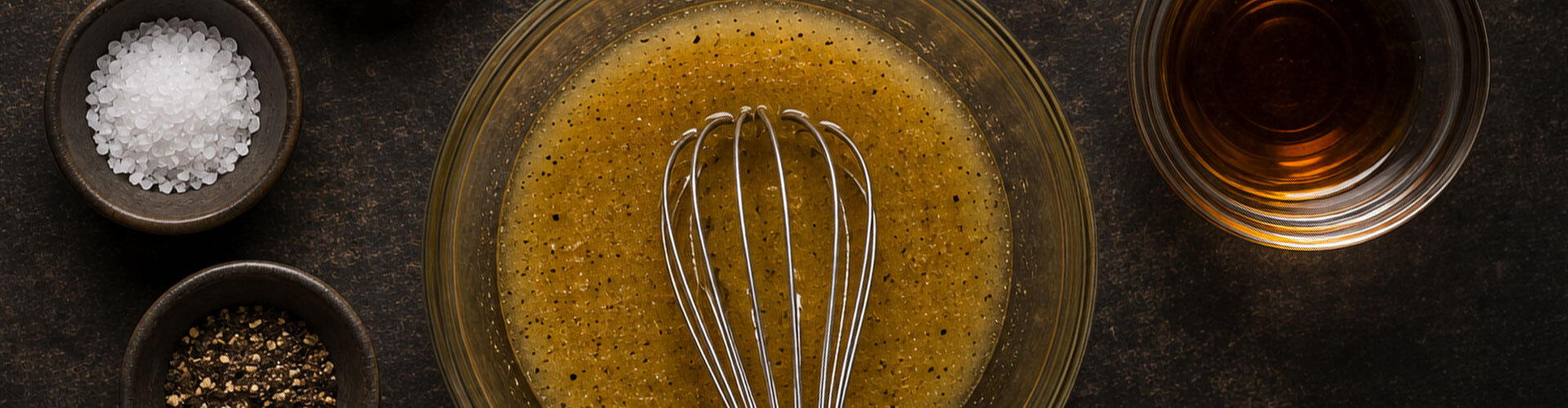
A Very Simple Vinaigrette
Once you've got a few good vinegars in the cupboard, homemade salad dressing becomes ridiculously easy.
A classic starting point is roughly: 3 parts oil to 1 part vinegar
- Add a spoonful of Dijon mustard, salt and black pepper, then whisk in your oil.
- Taste it.
- Too sharp? More oil or a little honey.
- Too oily and flat? More vinegar.
- Needs something else? Try finely chopped shallot, garlic or fresh herbs.
- And then start swapping the vinegar.
Red wine vinegar and oregano give you one dressing. Rice vinegar, sesame and soy take you somewhere completely different. Sherry vinegar with good extra virgin olive oil barely needs anything else.
Once you understand the basic balance, you don't really need a recipe.
Does Vinegar Go Off?
Vinegar's acidity gives it a very long shelf life, although individual bottles can change in colour, clarity and flavour over time.
Sediment isn't automatically bad news either. Raw and unfiltered vinegars can naturally be cloudy or contain sediment.
Storage requirements can vary, particularly once you get into flavoured vinegars and vinegar-based dressings, so our advice is simple: check the bottle and follow the manufacturer's storage instructions.
The same applies to refrigeration. Many straightforward vinegars are happy in the cupboard, but don't assume every flavoured or speciality product should be treated identically.
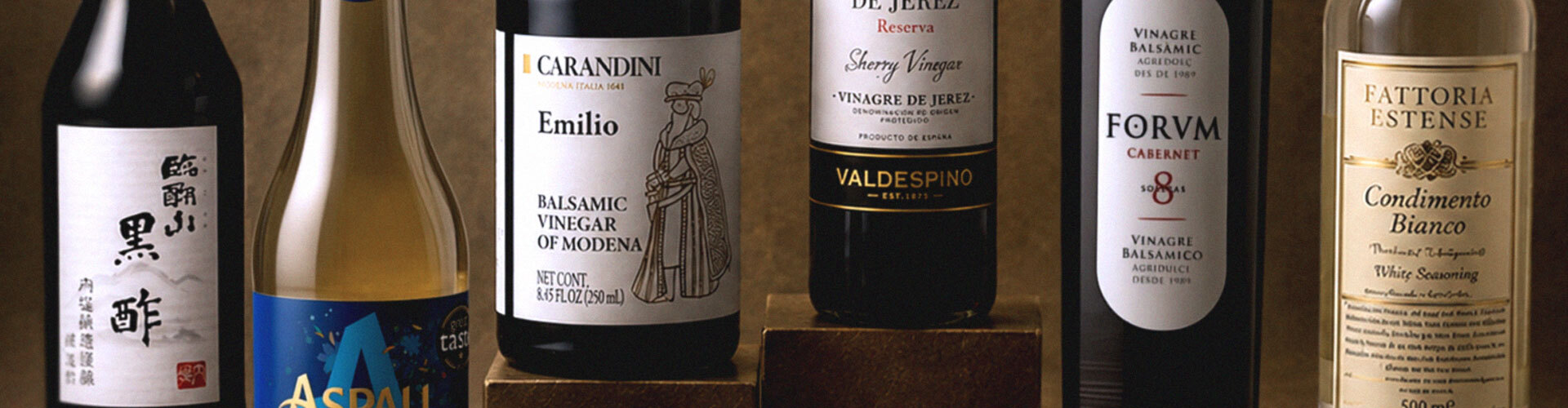
Quick Vinegar Questions
What's the most useful vinegar to have at home?
If you only want one or two bottles, we'd choose according to what you cook.
White or red wine vinegar is wonderfully versatile for European-style cooking. Apple cider vinegar covers dressings, slaws, marinades, sauces and pickles. Add balsamic if you regularly cook with tomatoes, Italian flavours and roasted vegetables.
Is white vinegar the same as white wine vinegar?
No.
Despite the confusingly similar names, they're different products. White wine vinegar is made from wine and has some fruity character, whereas distilled white vinegar has a much more neutral, straightforward acidity.
Is balsamic vinegar the same as balsamic glaze?
No. Balsamic glaze is thicker and generally sweeter, making it ideal for drizzling and finishing. Balsamic vinegar is more fluid and versatile for dressings, sauces, marinades and cooking.
Is rice vinegar the same as sushi vinegar?
Not always.
Plain rice vinegar brings acidity. Seasoned sushi vinegar or sushi seasoning commonly contains additional sugar and salt, so the two aren't automatically interchangeable.
Can I use vinegar instead of lemon juice?
Sometimes.
Both provide acidity, but lemon brings its on citrus flavour. A mild wine or rice vinegar can work in some dressings and sauces, but whether it's a good swap depends entirely on the dish.
Why do recipes add vinegar at the end of cooking?
Adding vinegar towards the end preserves its fresh acidity. A small splash can balance richness and sweetness and make a finished dish taste brighter without necessarily making it taste of vinegar.
How Many Vinegars Do You Really Need?
Despite everything we've just said, we're not suggesting you need a cupboard containing 15 different vinegars.
Although, admittedly, ours might.
Start with the bottles that suit the food you cook.
A good red or white wine vinegar is a brilliant everyday option. Apple cider vinegar earns its place through sheer versatility, while balsamic gives you something sweeter and richer.
Love Japanese and East Asian cooking? Add rice vinegar and perhaps black vinegar.
Always cooking Spanish food, tomatoes, beans and roasted peppers? Get yourself a bottle of sherry vinegar.
Prefer seafood and delicate summer salads? Champagne vinegar is worth exploring.
And if Friday night means fish and chips, there's really only one answer.
The point isn't to collect bottles for the sake of it. It's to start thinking of vinegar as more than something you shake over chips or add to a vinaigrette.
Acidity is one of the most useful tools in the kitchen. Once you learn how different vinegars behave, that final splash becomes another way to adjust, balance and – most importantly – make dinner taste better.