
Posted by I4C on 26th Aug 2026
10 Ingredients to Cook with This September
September changes the way we cook.
Tomatoes, aubergines, figs and sweetcorn are still around, but apples, squash and mushrooms are beginning to take over. Salads make room for risotto. The oven goes back on. Acidity, smoke, spice and deeper savoury flavours start to earn their place again.
It's also a good point in the year to look beyond the obvious ingredients.
At i4C, we're interested in products that bring something specific to a dish. That could be the texture of an exceptional bean, the starch characteristics of a particular rice, carefully balanced acidity or a fermentation process that turns a familiar ingredient into something completely different.
We've selected ten ingredients we're cooking with this September, combining seasonal relevance with some of the flavours influencing the way we're eating now.
Some will be familiar. Others might need an introduction. More importantly, here's what to do with them.
10 September Ingredients at a Glance
|
Ingredient |
Why we're using it |
Try it in |
|
Aspall Raw Apple Cyder Vinegar with Honey |
Fruity acidity with gentle sweetness |
Apple cyder glazed pork |
|
Perelló Judión Butter Beans |
Exceptionally large beans with a creamy centre |
Nduja butter beans |
|
Gli Aironi Fog Smoked Carnaroli Rice |
Risotto rice with genuine smoke character |
Porcini smoked risotto |
|
Castillo de Canena Cabernet Balsamic Vinegar |
Complex fruit and acidity |
Roasted figs with burrata |
|
Spice Kitchen World Spice Tin |
Seven distinctive spice blends |
Za'atar roast squash |
|
Chimac Korean BBQ Sauce |
Sweet, savoury Korean-style flavour |
Sticky Korean BBQ aubergine |
|
Black Garlic |
Sweet, mellow, concentrated umami |
Black garlic mushroom pasta |
|
Dried Porcini Mushrooms |
Intense mushroom flavour |
Porcini butter gnocchi |
|
Callipo Nduja |
Rich, spicy Calabrian salami |
Nduja butter beans |
|
Kiss Ya Mama Cinnamon Sugar |
Warm aromatic sweetness |
Caramelised apple French toast |
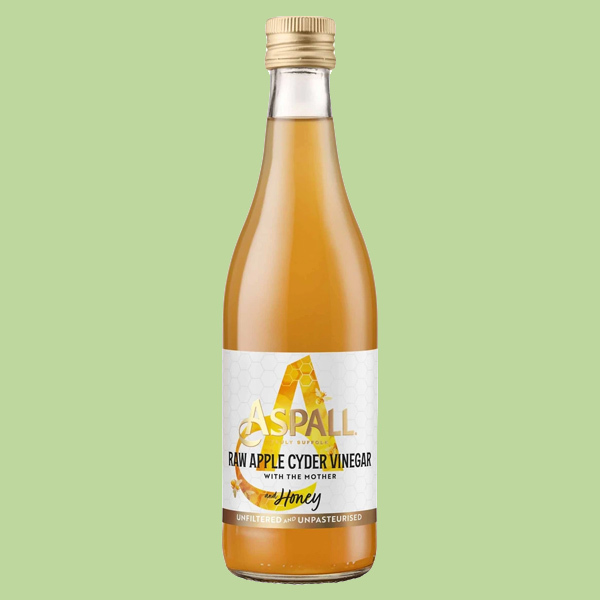
What is raw apple cyder vinegar?
Apple cyder vinegar is produced by fermenting apple juice into alcohol before a second fermentation converts that alcohol into acetic acid.
Raw vinegar retains more of the character of that fermentation than heavily processed vinegar. Add honey and you get something particularly useful in the kitchen: acidity softened by natural sweetness.
That balance matters. A good vinegar shouldn't simply make food taste acidic. Used correctly, it brings definition to fat, sweetness and richness. It's why a splash of vinegar can make a slow-cooked sauce suddenly taste more complete without making the finished dish obviously vinegary.
Why we're using it in September
Apples are an obvious partner, but don't restrict apple cyder vinegar to apple recipes.
The combination of honey and acidity works particularly well with the produce we start reaching for at this point in the year: squash, beetroot, cabbage and roasted roots. It also cuts through pork and richer poultry dishes exceptionally well.
Use it in vinaigrettes, marinades, quick pickles and pan sauces, or brush it over vegetables towards the end of roasting.
What to make: Apple Cyder Vinegar Glazed Porkwith Roast Apples
Sear pork until well coloured, then build the glaze with apple cyder vinegar, mustard, honey and the pan juices. Add apple wedges towards the end so they soften while retaining their shape.
The vinegar is doing two jobs: balancing the richness of the pork and preventing the apple and honey from becoming overly sweet.
Also try: honey cyder roasted squash; mustard and cyder vinaigrette; quick-pickled apple with pork or cheese.
Cook's note: When using vinegar in a pan sauce, add it before the final butter. Reduce the vinegar first, then whisk in cold butter off the heat for a glossy, balanced sauce.
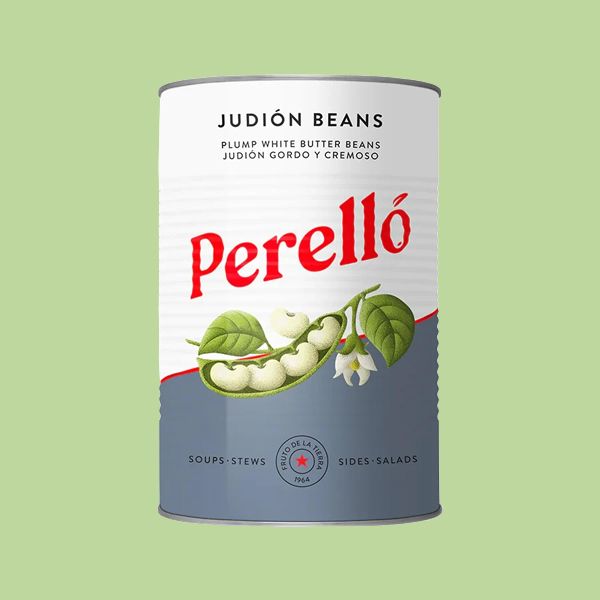
Not all butter beans are interchangeable. Judión beans are immediately recognisable by their size. They're substantially larger than the beans most of us are accustomed to opening from a tin, with a thin skin and soft, creamy interior. That texture is precisely why we like them. Rather than disappearing into a stew, a good Judión bean can become the main component of the plate.
Why better beans are worth buying
Beans have moved well beyond being treated simply as an inexpensive way to bulk out a dish.
Cook them until creamy, crisp them in a hot pan, dress them while warm or serve them with something sharp, spicy or heavily seasoned. Their relatively neutral flavour is an advantage because they carry other ingredients extremely well.
The large size of Judión beans also creates textural contrast: the outside can take colour while the centre remains soft.
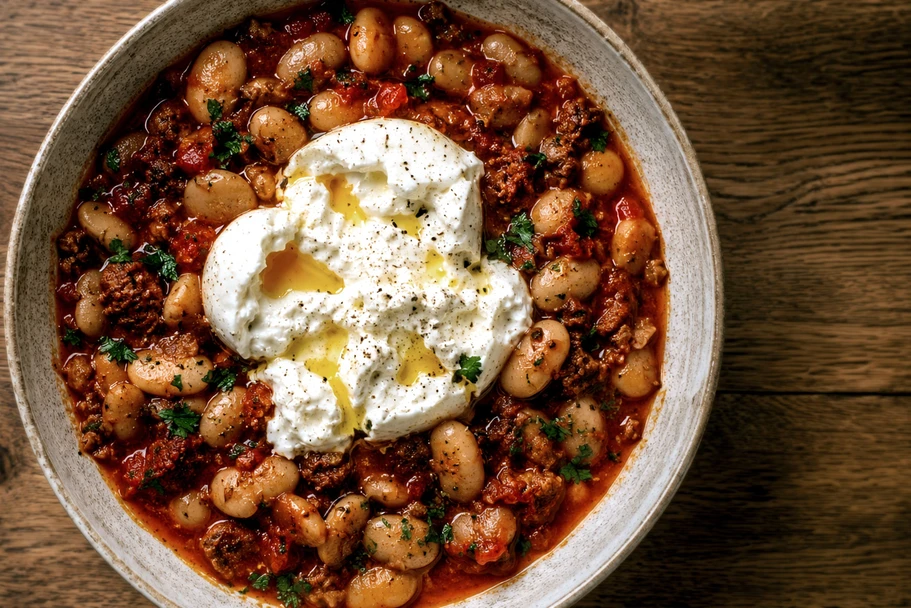
What to make: Nduja Butter Beans with Burrata
Render a spoonful of nduja gently until its red chilli-rich fat begins to release. Add garlic and tomatoes, followed by drained Judión beans and enough stock to create a loose sauce.
Finish with lemon and parsley and spoon around a torn burrata.
Rich, spicy, creamy and acidic, with the beans providing enough substance to make it dinner rather than a side dish.
Also try: crispy butter beans with whipped feta and herbs; tomato-braised beans with salsa verde; warm beans with roasted peppers and good olive oil.
Cook's note: Dress beans while they're still warm. They'll absorb far more flavour than they will straight from the fridge.
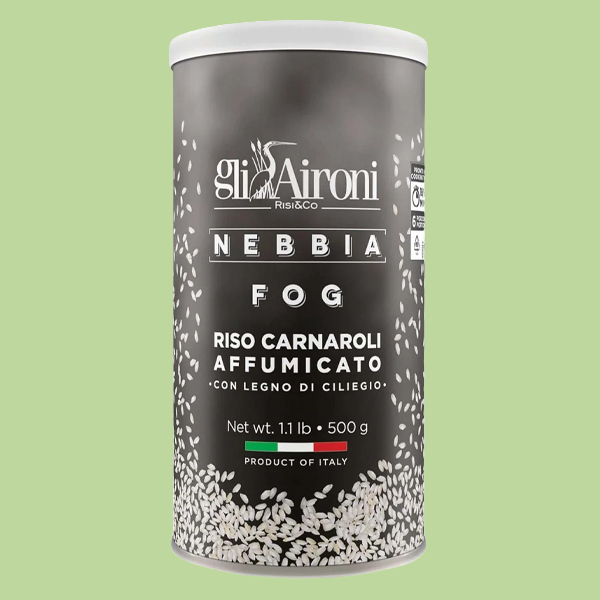
What is Carnaroli rice?
Carnaroli is an Italian short-grain rice prized for risotto because it releases starch during cooking while retaining structure through the centre of the grain. That combination is important. A good risotto needs enough released starch to create its characteristic creamy consistency without the rice itself collapsing into softness.
Gli Aironi then takes that foundation in a different direction by smoking the rice, introducing another layer of flavour before you've added stock, Parmesan or butter. The result opens up possibilities beyond conventional risotto.
What does smoked Carnaroli work with?
Think mushrooms, aged cheese, squash, alliums, shellfish, roasted poultry and charred vegetables.
The key is restraint.
When an ingredient already brings smoke, you don't need every other component competing with it.
What to make: Smoked Carnaroli Risotto with Porcini & Parmesan
Rehydrate dried porcini and reserve the soaking liquor. Sweat finely diced shallot in butter, add the Carnaroli and toast briefly before gradually adding hot stock enriched with the porcini liquor.
Finish with Parmesan and cold butter.
Fresh sautéed mushrooms on top provide another texture without interfering with the smoke already present in the rice.
Also try: smoked squash and sage risotto; smoked Carnaroli with leek and Taleggio; smoked mushroom risotto finished with mascarpone.
Cook's note: Toasting risotto rice before adding liquid helps the grains retain their structure. You want the rice hot and lightly coated in fat, not browned.
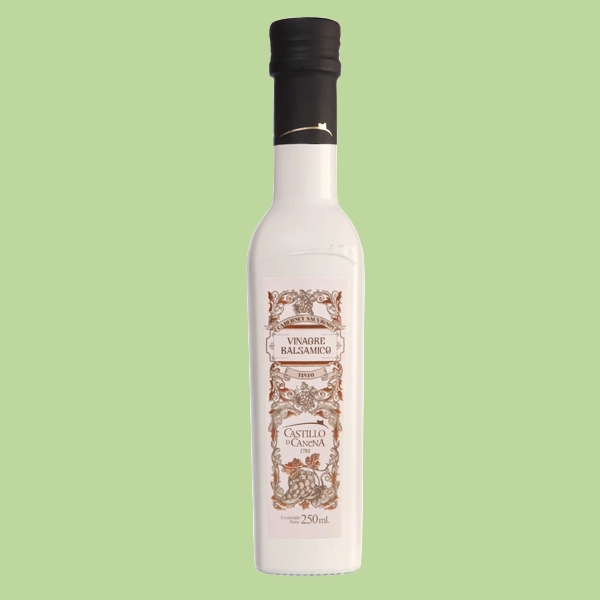
Balsamic isn't only for tomatoes and salad dressing. Its real strength is its ability to bring sweetness and acidity at the same time.
Castillo de Canena's Cabernet balsamic takes that further with pronounced fruit character, making it particularly useful when cooking with ingredients that already sit between savoury and sweet.
September gives us plenty of those: figs, squash, beetroot, roasted grapes, and caramelised onions.
How to use balsamic properly
There is a considerable difference between using balsamic as a finishing ingredient and cooking with it.
Applied directly, its acidity remains prominent. Reduce it and water evaporates, sugars concentrate and the flavour becomes sweeter and more intense. Both techniques have their place. A few drops over cheese need no further treatment. A glaze for meat or roasted vegetables benefits from controlled reduction.
What to make: Balsamic Roasted Figs with Burrata
Halve fresh figs and roast just long enough to soften and concentrate their flavour without losing their structure.
Serve with burrata, toasted hazelnuts and bitter leaves, then finish with Cabernet balsamic and olive oil.
There's very little technique involved, which makes ingredient quality particularly noticeable.
Also try: balsamic glazed mushrooms on sourdough; roast squash with balsamic and sage; aged cheese with figs and Cabernet balsamic.
Cook's note: Be careful when reducing balsamic. Its sugar content means the transition from syrupy to burnt can happen quickly. Use moderate heat and remember it will thicken further as it cools.
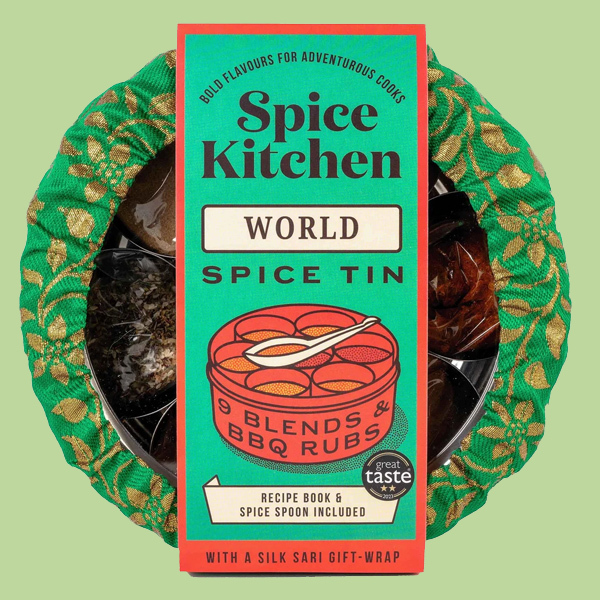
A good spice collection should give you range, not nine variations of the same flavour profile.
The Spice Kitchen World Spice Tin contains nine blends: Garam Masala, Sri Lankan Curry Powder, Harissa, Tex Mex, Jerk, Chinese 7 Spice, Ras El Hanout, Tandoori Masala and Za'atar. Each brings a different balance of aromatics, heat, earthiness and fragrance, covering everything from North African and Middle Eastern cooking to Indian, Sri Lankan, Caribbean, Chinese and Mexican-inspired dishes.
For anyone looking to cook more confidently with spices, that's what makes this set interesting. You can experiment with completely different flavour profiles without committing to nine separate full-size blends.
- Garam Masala brings aromatic warmth to curries, dhal and braised dishes, but also works well through roast squash, spiced butter or lentils.
- Sri Lankan Curry Powder is particularly good with coconut-based curries, aubergine, squash, fish and lentils.
- Harissa brings warmth and depth to roast vegetables, chickpeas, lamb and tomato-based dishes. Try it through butter or yoghurt for an instant sauce.
- Tex Mex works beyond tacos. Use it to season black beans, charred corn, roast sweet potatoes, chicken or crispy potatoes.
- Jerk pairs naturally with chicken and pork, but it's equally useful with roasted squash, cauliflower, sweetcorn and grilled pineapple.
- Chinese 7 Spice can bring aromatic spice to pork, duck and chicken, as well as mushrooms, aubergine and roasted vegetables.
- Ras El Hanout is particularly good with lamb, carrots, squash and chickpeas, where its aromatic character has enough substance to stand up to roasting.
- Tandoori Masala works brilliantly with chicken, but also try it with cauliflower, paneer or roasted vegetables served with yoghurt and lemon.
- Za'atar brings a savoury, herbaceous character that works with flatbreads, eggs, yoghurt, tomatoes, roast vegetables and cheese.
What to make: Spiced Roast Squash with Whipped Feta
September squash gives us a good opportunity to show what the collection can do.
Rather than prescribing one blend, choose the direction you want the dish to take. Za'atar keeps it herbaceous and savoury; Ras El Hanout brings warmer aromatic spice; Harissa introduces more heat.
Cut the squash into wedges and roast at a high temperature until the edges are deeply caramelised and the centre is tender. Serve over whipped feta and yoghurt with lemon, toasted seeds and herbs.
Same technique. Three completely different results.
How to get more from spice blends
Spice blends aren't only dry rubs.
Bloom them briefly in oil or butter to start a sauce. Stir them through yoghurt for a marinade. Mix them into softened butter for vegetables or meat. Add them to breadcrumbs before coating chicken or cauliflower. Combine them with oil before roasting vegetables.
Understanding how you add a spice blend can be just as important as which one you choose.
Ground spices contain aromatic compounds that become more noticeable when warmed in fat, but they can also scorch quickly. When starting a curry or sauce, cook the spices briefly over moderate heat before introducing your liquid ingredients.
For roasting, combining the blend with a little oil first helps distribute the seasoning evenly and encourages it to adhere to the ingredient.
Cook's note: Don't automatically add more spice blend because you want more flavour. Check the dish for salt and acidity first. A squeeze of lemon or pinch of salt can make existing spices considerably more pronounced without increasing the amount of spice at all.
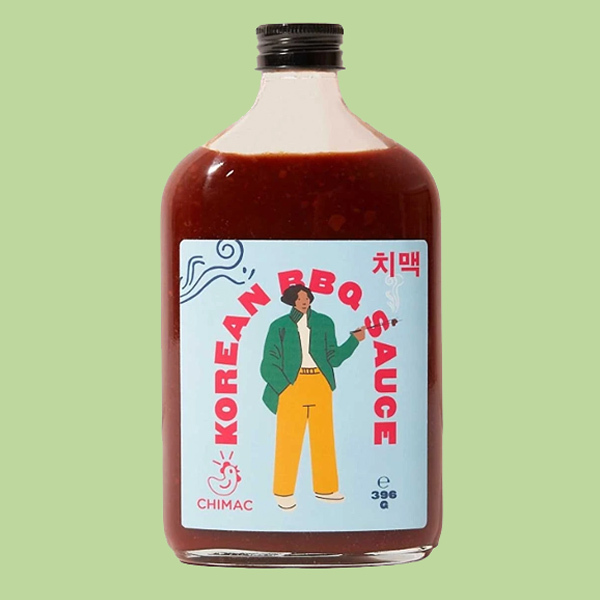
Korean food continues to influence menus well beyond specifically Korean restaurants, and it's easy to understand why.
Heat, fermentation, sweetness, garlic, sesame and savoury depth work particularly well with the way we like to eat now: fried chicken, rice bowls, grilled meat, dumplings, loaded vegetables and sharing dishes.
But Korean BBQ sauce doesn't need to mean firing up a tabletop grill.
How to use Korean BBQ sauce
Treat it as a glaze, marinade and finishing sauce.
Brush it onto chicken towards the end of cooking. Toss it through crispy mushrooms. Glaze pork belly with it. Use it on roasted aubergine or spoon a little into a rice bowl alongside pickled vegetables. The sugar in sauces of this style also means they caramelise readily. That's an advantage, provided you control the heat.
What to make: Sticky Korean BBQ Aubergine with Sesame Rice
Roast or pan-fry aubergine until the flesh is completely tender and the outside has taken plenty of colour.
Add Korean BBQ sauce during the final stage of cooking so it reduces around the aubergine rather than burning before the vegetable is cooked.
Serve over sesame rice with spring onion, cucumber and something pickled for acidity.
Also try: Korean BBQ chicken thighs; sticky mushrooms; Korean BBQ pork belly; crispy smashed potatoes with Korean BBQ glaze.
Cook's note: Sugar-heavy sauces burn quickly. Develop colour on your meat or vegetables first, lower the temperature, then glaze towards the end.
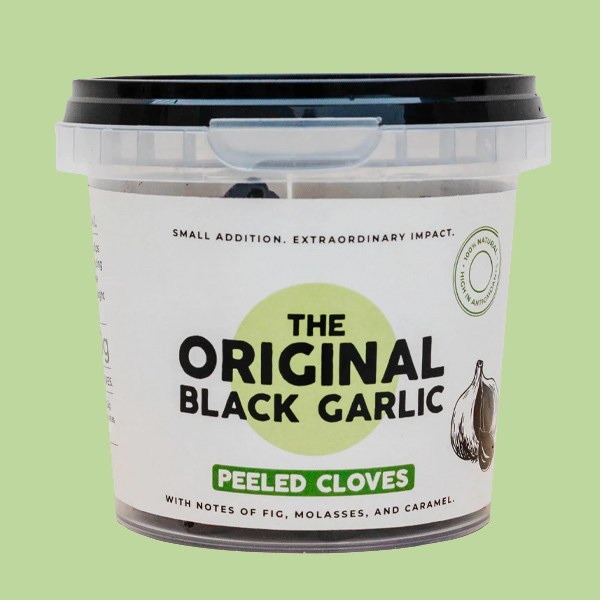
Black garlic looks dramatic, but the flavour is considerably more subtle than its appearance suggests.
What is black garlic?
Black garlic starts life as ordinary garlic. It is held for an extended period under carefully controlled warm, humid conditions. During this process, reactions between sugars and amino acids transform the cloves: they darken, soften and develop an entirely different flavour profile.
The sharpness associated with raw garlic disappears. In its place comes sweetness, savoury depth and flavours often compared with balsamic, molasses, tamarind and dried fruit.
How do you use black garlic?
Because it is soft, black garlic can be mashed directly into sauces, dressings and compound butters.
It works particularly well with mushrooms, beef, cheese, eggs and roasted vegetables, but its sweetness also makes it useful anywhere you want savoury depth without raw garlic's aggressive edge.
What to make: Black Garlic Mushroom Pasta
Cook mushrooms hard enough to drive off their moisture and develop real colour.
Mash black garlic into butter, add it to the mushrooms and loosen everything with pasta water. Toss through pasta with Parmesan and plenty of black pepper.
It's a relatively simple dish, but the black garlic gives the sauce a depth that would normally require considerably more ingredients.
Cook's note: Black garlic is already a developed flavour. Adding it early to an aggressively hot pan wastes much of its complexity. Incorporate it later and give it enough liquid or fat to disperse properly.
Discover the full Black Garlic range here.
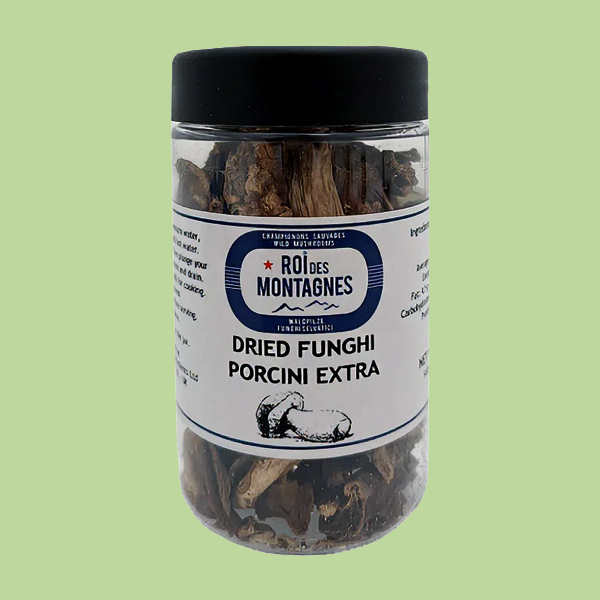
A tub of dried porcini is one of the most useful ingredients you can keep in a cupboard. Drying concentrates their character, producing a much deeper mushroom flavour than you'd expect from the quantity used. And you get two ingredients rather than one.
How to use dried porcini
- Cover the porcini with warm water and leave them to soften.
- Remove the mushrooms, but don't discard the liquid.
- Strain it carefully to remove any grit and use it as part of the stock for risotto, soup or sauce. It contains a substantial amount of the flavour you've just extracted from the mushrooms.
- The rehydrated porcini can then be chopped and added to the dish itself.
What to make: Porcini Butter Gnocchi with Crispy Sage
Rehydrate and finely chop the porcini.
Brown butter until nutty, add sage until crisp, then introduce the porcini and a little of their strained soaking liquor.
Add cooked gnocchi and reduce until the liquid and butter form a coating around them. Finish with Parmesan.
Also try: porcini risotto; porcini cream sauce; mushroom soup; porcini butter for steak.
Cook's note: Porcini soaking liquid can contain fine sediment. Pass it through a very fine sieve, muslin or coffee filter before using it in a pale sauce.
Check out these Porcini ingredients on i4C:
- Roi Des Montagnes Dried Funghi Porcini Extra 40g
- Fungi Foray Porcini Cep Mushroom Powder 1kg
- Sabarot Dried Porcini Mushrooms 500g
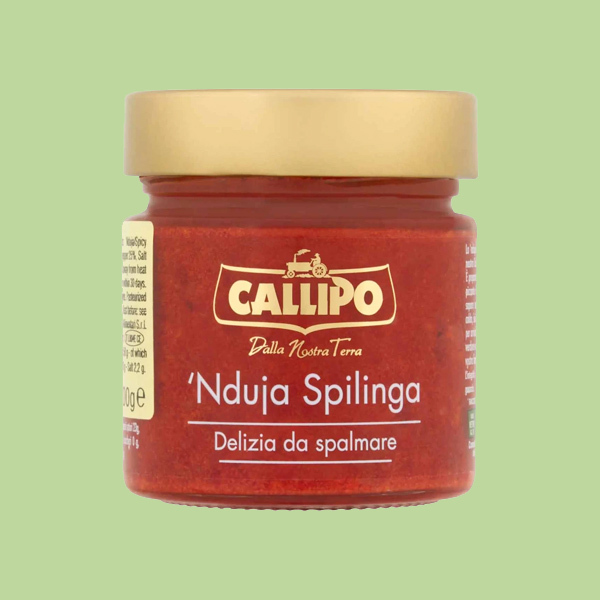
Nduja has gone from specialist Italian ingredient to a regular sight on British restaurant menus, but it's still frequently treated simply as spicy sausage. It's much more useful than that.
What is nduja?
Nduja is a soft, spreadable Calabrian salami traditionally made with pork and chilli. Unlike a firm cured sausage that you'd slice, nduja's high fat content and soft texture mean it melts readily when heated. That makes it particularly effective as a cooking ingredient.
How to cook with nduja
Put a small amount into a pan over moderate heat and the fat begins to render, carrying chilli and pork flavour through everything else you add.
That can form the base of a tomato sauce, coat beans, enrich a ragù, season roast vegetables or become the starting point for a pasta sauce.
What to make: Nduja Butter Beans with Burrata
We've already paired this with the Perelló beans for good reason.
Gently render nduja, add tomatoes and the beans and allow everything to simmer together. Finish with lemon before adding torn burrata and herbs. It's also a good example of why specialist ingredients don't necessarily make cooking more complicated. Quite the opposite. Choose ingredients capable of doing more work and you often need fewer of them.
Also try: nduja and burrata pizza; nduja tomato pasta; roast squash with nduja butter; nduja scrambled eggs.
Cook's note: Start nduja over moderate rather than fierce heat. You want its fat to render and carry the chilli through the dish rather than simply frying the outside.

The combination of cinnamon and sugar provides sweetness, aroma and a surface that caramelises particularly effectively when exposed to heat.
September is when it becomes especially useful. Apples are coming through. Pears are getting better. Pancakes, French toast and baked puddings start making sense again.
How to use cinnamon sugar
Don't think only about sprinkling it over something once it's cooked. Coat buttered bread before frying. Toss apple wedges in it before roasting. Use it on pastry before baking. Sprinkle it onto a crème brûlée-inspired French toast before caramelising the surface. It can also bring texture as well as flavour.
What to make: Caramelised Apple & Cinnamon French Toast
Cook apple wedges in butter until beginning to soften, then add cinnamon sugar and allow the edges to caramelise.
Cook thick slices of custard-soaked brioche until golden and crisp outside.
Pile the apples on top and finish with crème fraîche rather than adding more sweetness.
The acidity keeps the dish balanced.
Also try: cinnamon roast apples; cinnamon palmiers; pancake topping; cinnamon-sugar doughnuts; spiced coffee.
Cook's note: Cinnamon can become bitter when burnt. For intense caramelisation, allow the sugar to do most of the work rather than leaving the cinnamon over direct heat for too long.
What Should You Cook in September?
September sits between two seasons, which is precisely what makes it interesting.
There are still tomatoes to eat simply with olive oil and salt, aubergines worth grilling and figs that need very little interference. At the same time, mushrooms, apples and squash start pushing cooking towards roasting, braising, risotto and richer sauces.
Our approach is simple: start with the produce and choose ingredients that make it more interesting.
- Roast squash gets Za'atar and sharp feta.
- Mushrooms get porcini and black garlic.
- Figs get Cabernet balsamic.
- Apples meet cyder vinegar.
- Butter beans get nduja.
- Aubergine gets sticky Korean BBQ sauce.
None of these ingredients requires complicated cooking. The point is that a well-made specialist ingredient should bring something to the dish that would otherwise take considerably more work to create.
That's why they're available at i4C in the first place.
September Cooking FAQs
What ingredients are in season in September in the UK?
September is a transition month with plenty of late-summer and early-autumn produce available at the same time. Look for apples, pears, figs, blackberries, tomatoes, aubergines, sweetcorn, courgettes, squash, beetroot and mushrooms, with availability varying according to variety and growing conditions.
What should I cook in September?
Use the overlap between the seasons. Tomatoes, aubergines and sweetcorn still suit grilling and lighter dishes, while squash, mushrooms and apples work well in roast dishes, pasta, risotto, curries and early-autumn comfort food.
What are useful store-cupboard ingredients for autumn?
Dried mushrooms, good-quality beans, risotto rice, vinegars, spice blends, chilli products and fermented or umami-rich ingredients are particularly useful. They allow simple seasonal produce to be turned into a complete dish without relying on lengthy ingredient lists.
How can I add more flavour to autumn cooking?
Think beyond simply adding more seasoning. Acidity from vinegar can balance rich dishes; dried mushrooms provide savoury depth; spices add aroma; chilli brings heat; and ingredients such as black garlic introduce sweetness and umami. Often the answer is contrast rather than simply more salt.