
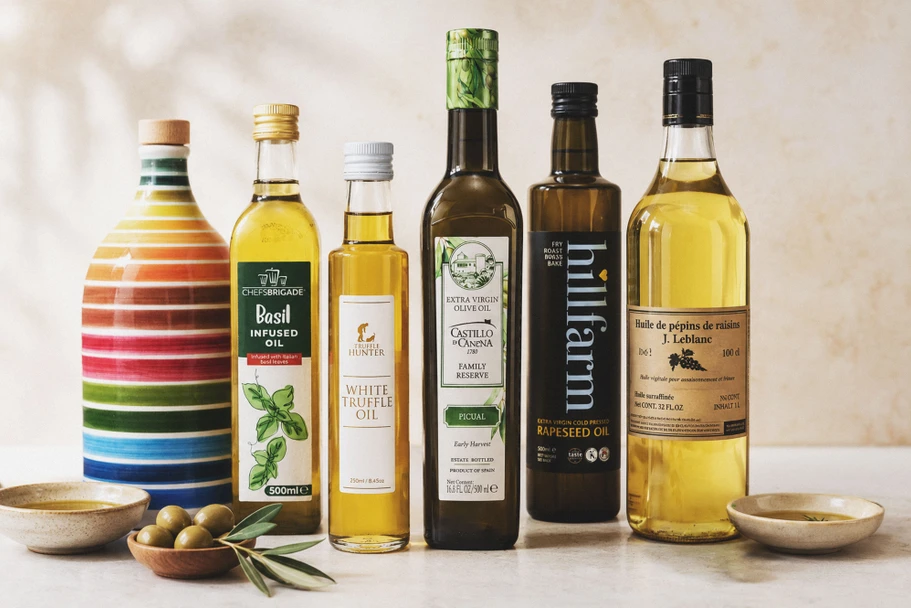
Posted by I4C on 14th Jul 2026
Cooking Oils Explained: Which Oil Should You Use for Frying, Roasting, Salads and More?
Most kitchens have at least one bottle of cooking oil tucked away in the cupboard. Some have several. Extra virgin olive oil, rapeseed oil, sunflower oil, truffle oil, garlic oil, walnut oil... the choice has never been bigger, and it can leave you wondering which one you should actually be using.
Can you fry with olive oil? Is rapeseed oil healthier? What does smoke point actually mean? When should you use infused oils instead of regular oils?
The truth is that every oil has its own strengths. Some are designed for high-temperature cooking, while others are at their best drizzled over a finished dish. Understanding the differences can improve flavour, help ingredients perform better, and even save money by using the right oil in the right place.
In this guide we'll explain:
- Different types of cooking oil
- Which oils are best for frying, roasting and baking
- Which oils are best for salads and dressings
- The difference between extra virgin olive oil and pomace olive oil
- Rapeseed oil vs olive oil
- Speciality oils worth trying
- How to store cooking oils properly
- Answers to the most common cooking oil questions
Why Different Oils Matter
Cooking oil isn't simply there to stop food sticking.
Different oils contribute flavour, texture and aroma while reacting differently to heat. Choosing the right one can make roast potatoes crispier, salad dressings fresher and grilled vegetables taste brighter.
One of the biggest differences between oils is their smoke point - the temperature where an oil begins to break down. Oils with higher smoke points tend to be better suited to frying and roasting, while more delicate oils are often reserved for finishing dishes.
Flavour also plays a huge role. Some oils are bold and peppery, others buttery, nutty or almost neutral.
The best kitchens don't rely on one oil for everything. Instead, they choose the oil that best suits the job.
Extra Virgin Olive Oil Explained
Extra virgin olive oil (often shortened to EVOO) is made from olives that are mechanically cold pressed without chemical processing. Because it's minimally processed, it retains more of the olive's natural flavour and aroma.
A good extra virgin olive oil is often fruity with grassy notes and a gentle peppery finish.
It works brilliantly for:
- salad dressings
- dipping bread
- pasta
- bruschetta
- grilled vegetables
- drizzling over pizza
- soups
- finishing steak or fish
Although there's a long-standing myth that you shouldn't cook with extra virgin olive oil, it's perfectly suitable for most everyday cooking, especially sautéing, gentle frying and roasting.
A great everyday Italian olive oil
One of our favourite everyday bottles is Monini Classico Extra Virgin Olive Oil.
Made from carefully selected Italian olives, it has a balanced flavour that's fruity without being overpowering, making it ideal if you want one bottle that comfortably moves between cooking and finishing.
We particularly enjoy it stirred through pasta, whisked into vinaigrettes or served simply with crusty bread, Maldon Sea Salt and balsamic vinegar.
Premium Extra Virgin Olive Oils
Sometimes you want an olive oil that takes centre stage rather than sitting quietly in the background.
Premium extra virgin olive oils often come from specific olive varieties, harvests and estates, producing far more complexity than everyday oils.
Castillo de Canena
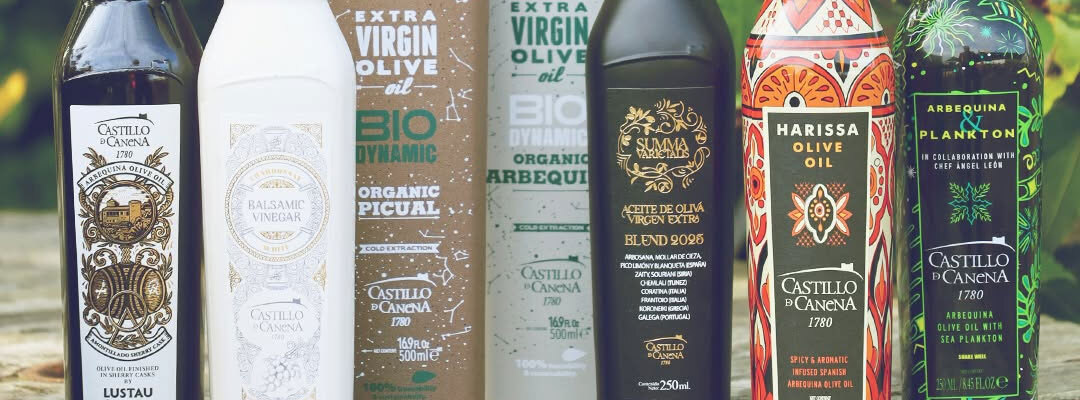
One of Spain's most celebrated producers, Castillo de Canena has been producing exceptional olive oil in Andalusia for generations.
Their oils are known for:
- vibrant fresh aromas
- intense fruitiness
- elegant peppery finish
- exceptional balance
They're the kind of oil you drizzle over burrata, tomatoes, grilled fish or fresh bread where every drop can be appreciated. Rather than using them for deep frying, they're best enjoyed as finishing oils.
Shop the Castillo de Canena range here.
Galantino & Frantoio Muraglia
Italian olive oil isn't just about flavour.
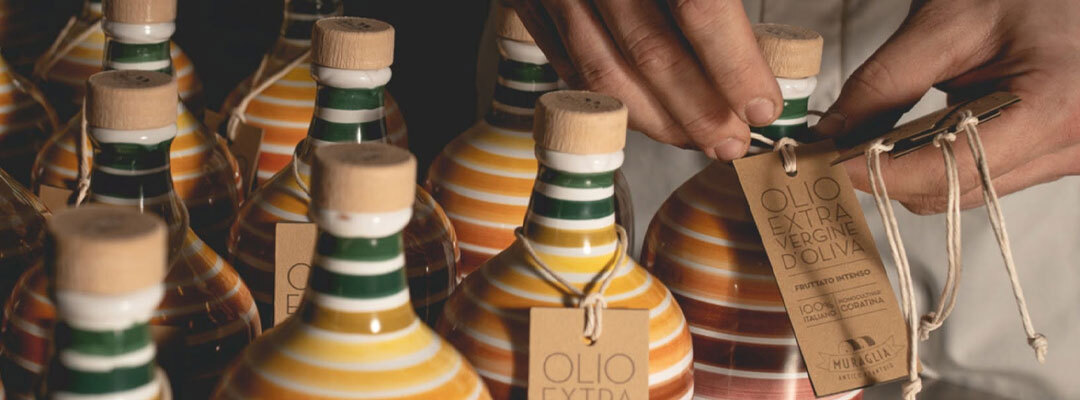
Brands like Galantino and Frantoio Muraglia combine exceptional Puglian olive oil with beautiful handmade ceramic bottles that become part of the dining table.
They make thoughtful gifts and impressive dinner party centrepieces, and are perfect for serving alongside fresh bread.
The bottles are almost as memorable as the oil inside.
Olive Oil vs Rapeseed Oil
This is one of the most searched cooking questions online.
The answer depends entirely on what you're cooking.
|
Extra Virgin Olive Oil |
Cold Pressed Rapeseed Oil |
|
Fruity flavour |
Mild nutty flavour |
|
Excellent for dressings |
Excellent for frying |
|
Great for Mediterranean cooking |
Very versatile |
|
Moderate smoke point |
High smoke point (around 220°C) |
|
Rich in antioxidants |
Rich in Omega 3, 6 & 9 |
Neither is better. They're simply different.
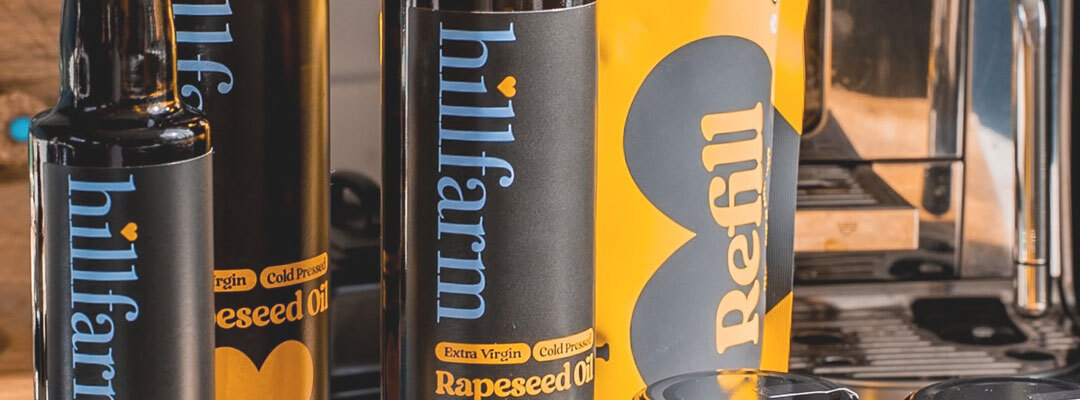
Why We Love Hillfarm Rapeseed Oil
Produced on a family farm in Suffolk, Hillfarm Cold Pressed Rapeseed Oil has become one of Britain's best-loved cooking oils.
Its naturally high smoke point of around 220°C means it performs brilliantly for:
- roast potatoes
- frying eggs
- stir fries
- roasting vegetables
- baking
- homemade mayonnaise
Because it has a light, subtle flavour, it lets the ingredients shine rather than dominating the dish.
It's also naturally rich in Omega 3, 6 and 9 while containing significantly less saturated fat than olive oil.
For many kitchens it's the bottle that's used every single day.
Shop the Hillfarm Rapeseed Oil range here.
What is Pomace Olive Oil?
Pomace olive oil often causes confusion because it's still an olive oil, but it's very different from extra virgin olive oil.
After the first pressing, some oil remains in the olive pulp. This is refined before being blended with a small amount of virgin olive oil.
The result is:
- lighter flavour
- higher smoke point
- more neutral taste
- excellent cooking performance
This makes it particularly useful when flavour isn't the priority.
It's ideal for:
- frying
- roasting
- batch cooking
- large family meals
- catering
Lefktro Pomace Olive Oil is a practical everyday option for anyone cooking in larger quantities who still wants the benefits of an olive-based cooking oil.
Best Oils for Frying
One question appears repeatedly:
What's the best oil for frying?
For everyday frying you generally want:
- high smoke point
- clean flavour
- good stability
Excellent choices include:
Hillfarm Rapeseed Oil is one of our favourites for everyday frying, while Lefktro Pomace Olive Oil is ideal when cooking larger quantities.
Best Oils for Roasting
Roasting benefits from oils that tolerate higher temperatures while helping food caramelise beautifully.
Great choices include:
- Rapeseed oil
- Pomace olive oil
- Olive oil for lower temperature roasting
Hillfarm Rapeseed Oil is particularly good for roast potatoes thanks to its high smoke point and light flavour.
Best Oils for Salad Dressings
Cold dishes are where flavour becomes everything.
Some of the best oils include:
Walnut Oil
Walnut oil has an incredibly delicate nutty flavour.
It's wonderful paired with:
- blue cheese
- pears
- beetroot
- roasted squash
- goat's cheese
Avoid cooking with walnut oil at high temperatures. Instead, drizzle it over finished dishes where its flavour stays fresh.
Shop Centaur Walnut Oil 500ml here.
Pumpkin Seed Oil
Pumpkin seed oil is one of the richest-tasting speciality oils available. Dark green with a deep roasted flavour, it works particularly well over:
- soups
- roasted vegetables
- grain salads
- burrata
- avocado
Just a little goes a long way. Shop Biona Organic Pumpkin Seed Oil 250ml here.
Grapeseed Oil Explained
Grapeseed oil is one of the most versatile neutral cooking oils. Its clean flavour and relatively high smoke point make it useful for:
- frying
- homemade mayonnaise
- baking
- light dressings
Because it doesn't overpower ingredients, it's often chosen when the food itself should remain the star.
Shop Leblanc Grapeseed Oil 1L here.
Infused Oils
Infused oils offer an easy way to introduce flavour without adding extra ingredients. Instead of chopping garlic, zesting lemons or shaving truffle, you can add those flavours with a simple drizzle.
Popular infused oils include:
Garlic Oil: Perfect for garlic bread, roast vegetables, pizza, and pasta.
Lemon Oil: Excellent with grilled fish, seafood, chicken, and salads.
Basil Oil: A classic partner for tomatoes, mozzarella, pasta, and bruschetta.
Chilli Oil: Ideal for pizza, noodles, dumplings, and roasted vegetables. Roquito Chilli Oil delivers warmth without overwhelming heat, making it especially versatile.
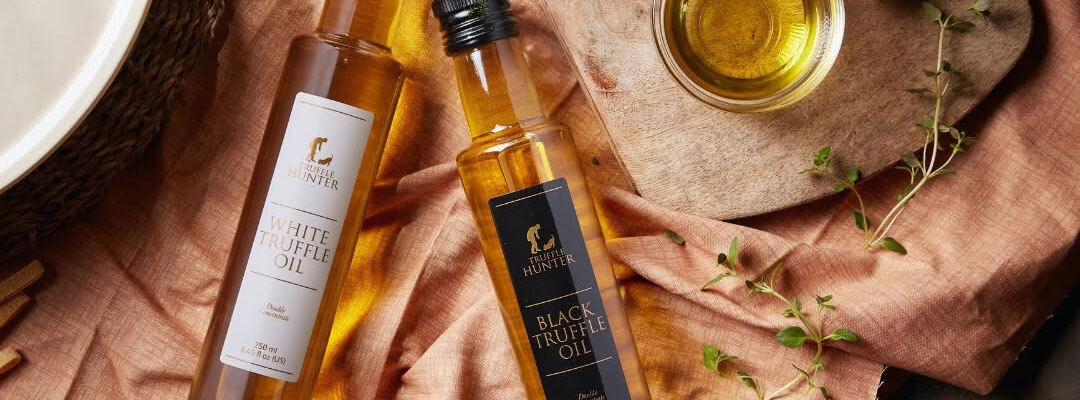
Truffle Oil: Truffle oil is used sparingly because a few drops deliver enormous flavour.
Use it on:
- chips
- mashed potatoes
- risotto
- pasta
- eggs
Think of truffle oil as a finishing ingredient rather than something to cook with.
Shop Truffle Hunter oils here.
Finishing Oils
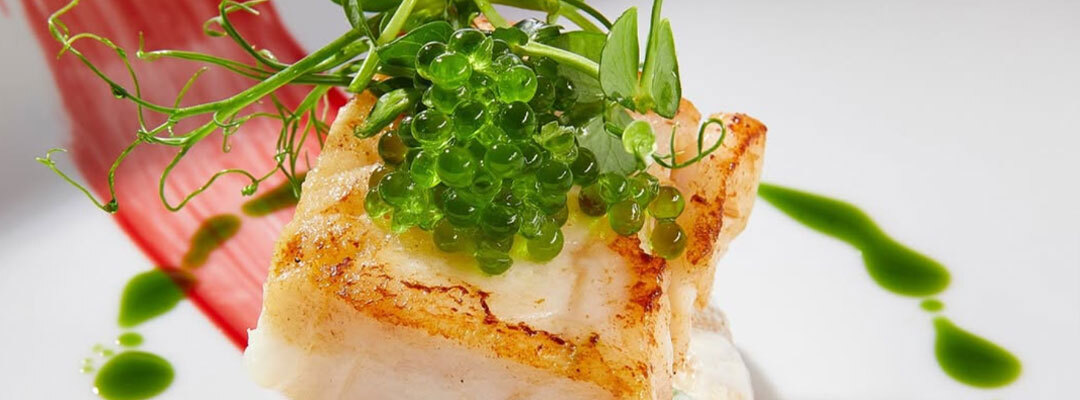
Finishing oils aren't designed for frying. They're designed for presentation and flavour.
At i4C we stock a colourful range from Imaginative Cuisine, which includes:
These are perfect for adding colour and freshness to soups, seafood, salads, pasta and plated dishes. Just a few drops can completely change the look and flavour of a meal.
Shop the full Imaginative Cuisine range here.
How to Store Cooking Oil
To keep oil tasting its best:
- Store away from direct sunlight.
- Keep bottles tightly sealed.
- Avoid storing beside the cooker.
- Buy sizes that suit how quickly you'll use them.
- Premium olive oils are best enjoyed while fresh.
Frequently Asked Questions
What is the healthiest cooking oil?
There isn't one single healthiest cooking oil. Extra virgin olive oil and cold pressed rapeseed oil are both popular choices thanks to their healthy fat profiles and versatility.
Can you fry with extra virgin olive oil?
Yes. Extra virgin olive oil is suitable for most everyday frying, sautéing and roasting, although oils with higher smoke points may be better for prolonged high-temperature cooking.
What's the difference between olive oil and extra virgin olive oil?
Extra virgin olive oil is mechanically extracted without refining, giving it more flavour and aroma. Regular olive oils may be refined or blended, producing a lighter taste.
Is rapeseed oil better than olive oil?
Neither is better. Rapeseed oil has a higher smoke point and milder flavour, while extra virgin olive oil offers a richer taste that's ideal for dressings and finishing dishes.
Which oil is best for roast potatoes?
Cold pressed rapeseed oil is one of the best choices thanks to its high smoke point and ability to produce crisp, golden potatoes.
Can cooking oil go off?
Yes. Oils gradually oxidise over time. If an oil smells stale, musty or crayon-like, it's usually past its best.
Finding the Right Oil for Every Recipe
There isn't a single cooking oil that does everything perfectly. The best kitchens tend to keep a small selection on hand, choosing each one for its strengths rather than trying to make one bottle cover every task.
A fruity extra virgin olive oil brings salads and pasta to life, while a high-smoke-point rapeseed or pomace olive oil is ideal for everyday frying and roasting. Nut oils add richness to dressings, infused oils introduce layers of flavour with minimal effort, and finishing oils provide the final flourish that makes a dish look and taste complete.
At Infusions4chefs, we stock everything from reliable everyday cooking oils to award-winning extra virgin olive oils and speciality finishing oils from some of Europe's most respected producers. Whether you're looking for a bottle to use every day or something exceptional for a special meal, there's an oil to suit every style of cooking.